
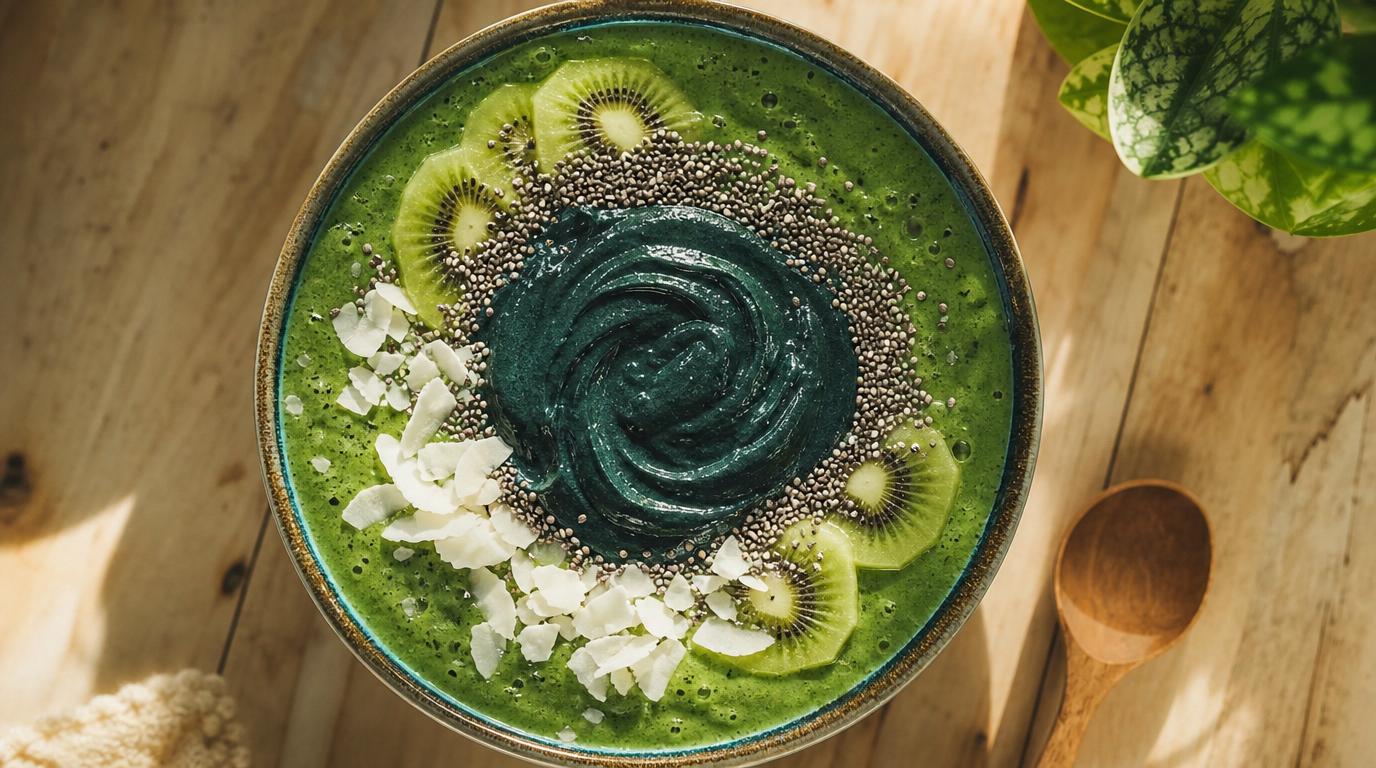
One tablespoon of fresh spirulina contains more protein than an egg, more iron than spinach, and a blue antioxidant found nowhere else in nature. Here’s what 50 years of research actually says
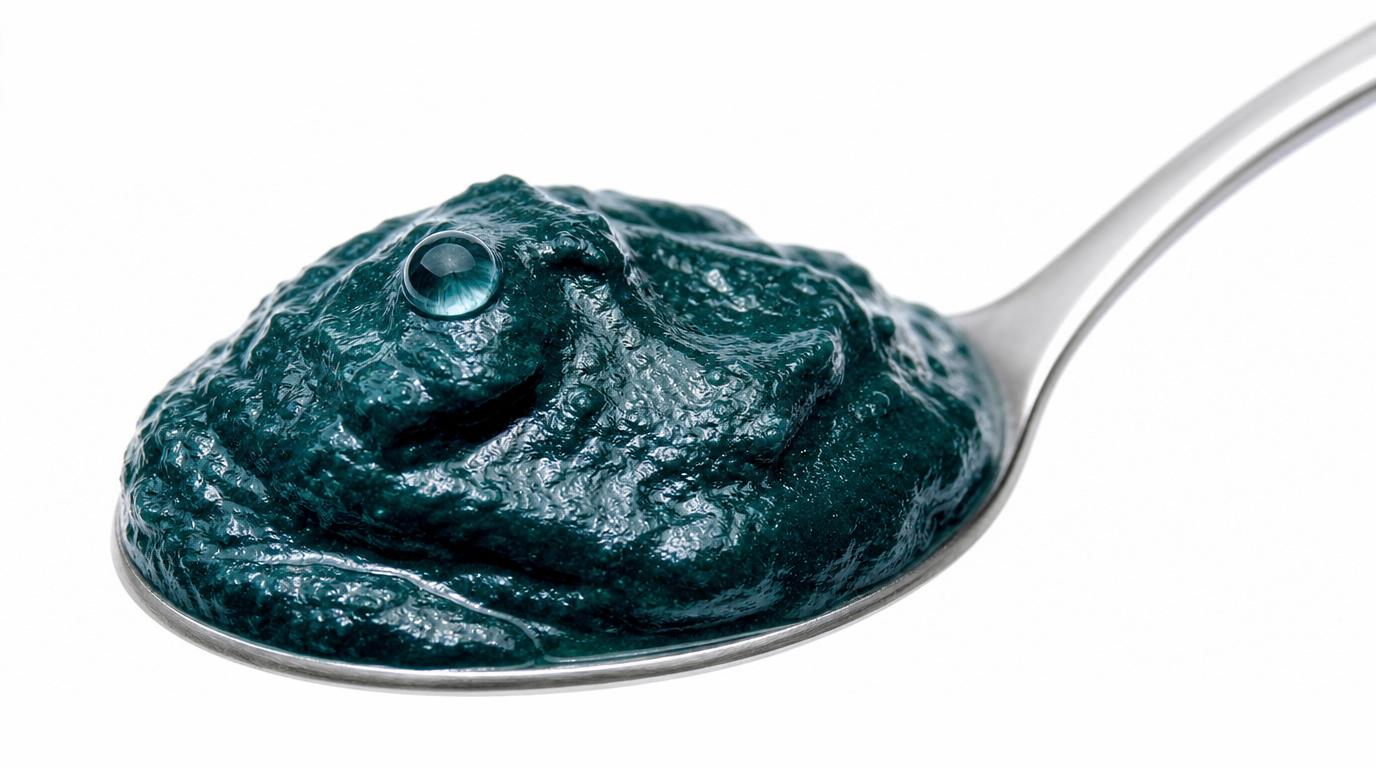
What Spirulina Actually Is
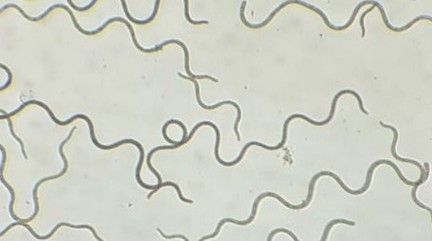
Spirulina is not an algae. It is a cyanobacteria — one of the oldest life forms on Earth, appearing roughly 3.6 billion years ago. These single-celled organisms were among the first to perform oxygenic photosynthesis, transforming the planet’s atmosphere and making complex life possible.
Unlike plants, spirulina has no cell wall made of cellulose. Its cell membrane is composed of soft mucopolysaccharides. This matters for nutrition because your body can access the nutrients without breaking down rigid plant fibres. The protein, vitamins, and pigments are bioavailable — meaning your digestive system can actually use them, not just pass them through.
The species used for human consumption is typically Limnospira platensis, and Limnospira maxima (formally classified as Arthrospira platensis) It grows naturally in warm, alkaline lakes with a pH between 8.5 and 11 — an environment so hostile to most organisms that contamination is naturally suppressed.
The Nutritional Profile: Numbers That Matter
Spirulina’s nutritional density is not marketing exaggeration. It is quantifiable, testable, and consistent across batch analysis.
Protein: Complete and Concentrated
- 60–70% protein by dry weight — the highest concentration of any food source on Earth
- Complete amino acid profile: contains all nine essential amino acids that the human body cannot synthesise
- Protein Digestibility Corrected Amino Acid Score (PDCAAS) of approximately 0.85 — comparable to eggs (1.0) and significantly higher than most plant sources
- No cellulose cell wall means the protein is accessible without mechanical or enzymatic breakdown
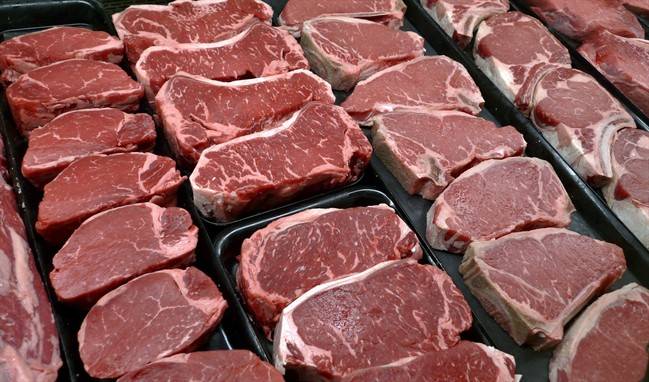
Spirulina has 200% more protein than meat
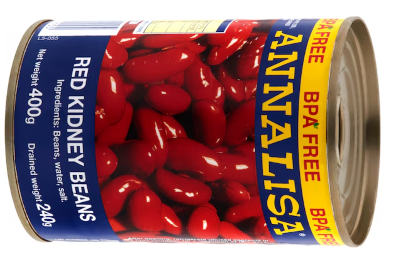
Spirulina has 8 times more protein than beans
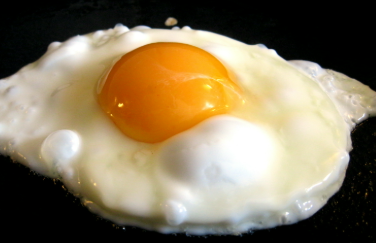
Spirulina is 5 times more protein dense than eggs
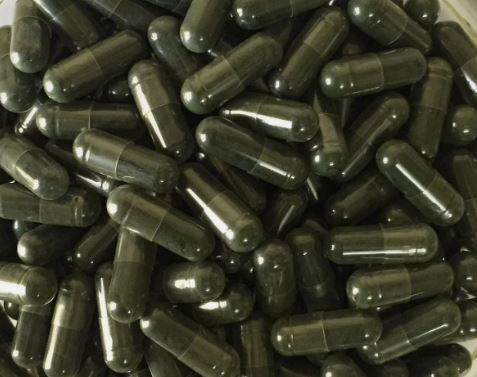
For context: 10 grams of dried spirulina provides roughly 6–7 grams of usable protein. A 30-gram serving delivers the protein equivalent of a large egg, with a broader amino acid spectrum.
Phycocyanin: The Blue Pigment with Real Biological Activity
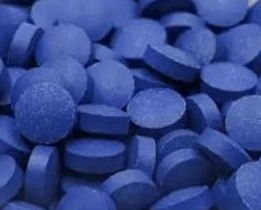
Phycocyanin is the blue pigment that gives spirulina its distinctive colour. It is a phycobiliprotein — a light-harvesting protein complex that spirulina uses to capture energy from orange and red wavelengths that chlorophyll misses.
This pigment does more than absorb light. Peer-reviewed studies have documented:
- Potent antioxidant activity: phycocyanin scavenges free radicals, particularly the reactive oxygen species (ROS) that cause cellular oxidative stress. Its antioxidant capacity has been measured at approximately 20 times that of vitamin C on a molar basis in some assays.
- Anti-inflammatory effects: phycocyanin inhibits COX-2 enzyme activity and reduces prostaglandin production — the same pathways targeted by non-steroidal anti-inflammatory drugs, but through a different mechanism.
- Neuroprotective potential: animal studies suggest phycocyanin crosses the blood-brain barrier and may reduce neuronal damage from oxidative stress. Research is ongoing, but the initial data are promising.
- Liver protection: studies in rodent models show phycocyanin reduces markers of liver damage and supports detoxification enzyme activity.
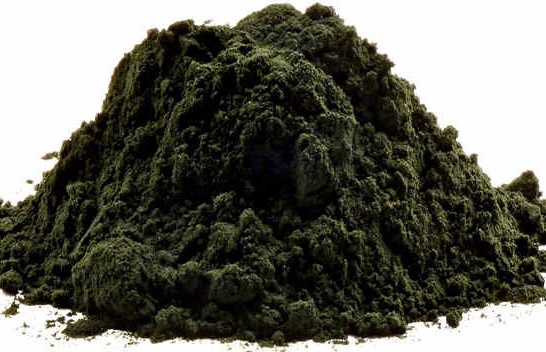
The critical point: phycocyanin degrades rapidly when exposed to heat, light, and oxidation. Fresh spirulina contains this pigment at peak concentration. Dried, stored spirulina powder contains significantly less — and what remains is often oxidised and biologically inactive.
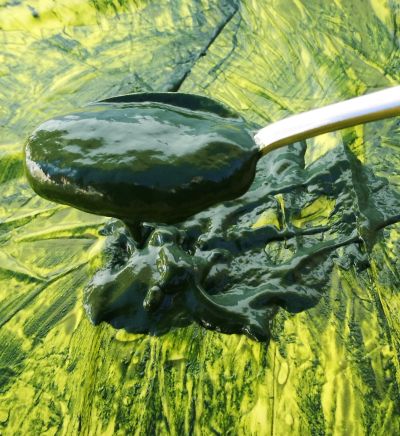
Spirulina is packed with vitamins
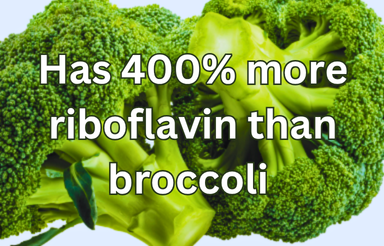
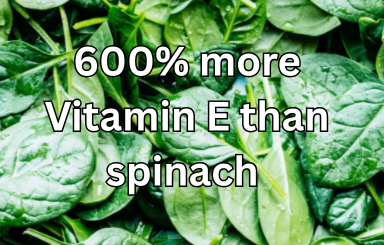
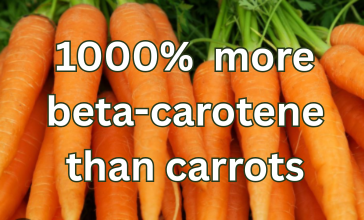
Vitamin A (as beta-carotene): Supports vision, immune function, and skin health. Spirulina not only has 10 time more beta-carotene than carrots it also it has a mix of ten different carotenoids and xanthophylls that work synergistically across different tissues in the body.
Vitamin B group
- B1 (Thiamine): Supports energy metabolism and nerve function.
- B2 (Riboflavin): Important for energy production and skin health.
- B3 (Niacin): Aids metabolism and supports nervous system health.
- B5 (Pantothenic acid): Needed for hormone and neurotransmitter synthesis.
- B6 (Pyridoxine): Crucial for amino acid metabolism and brain health.
- B7 (Biotin): Supports healthy skin, hair, and metabolic function.
- B9 (Folic acid): Essential for DNA synthesis and red blood cell formation.Vitamin C: Antioxidant, supports immune function
Vitamin E: A potent antioxidant that protects cells from oxidative damage and supports skin and immune health.
Vitamin K: Important for blood clotting and bone health.
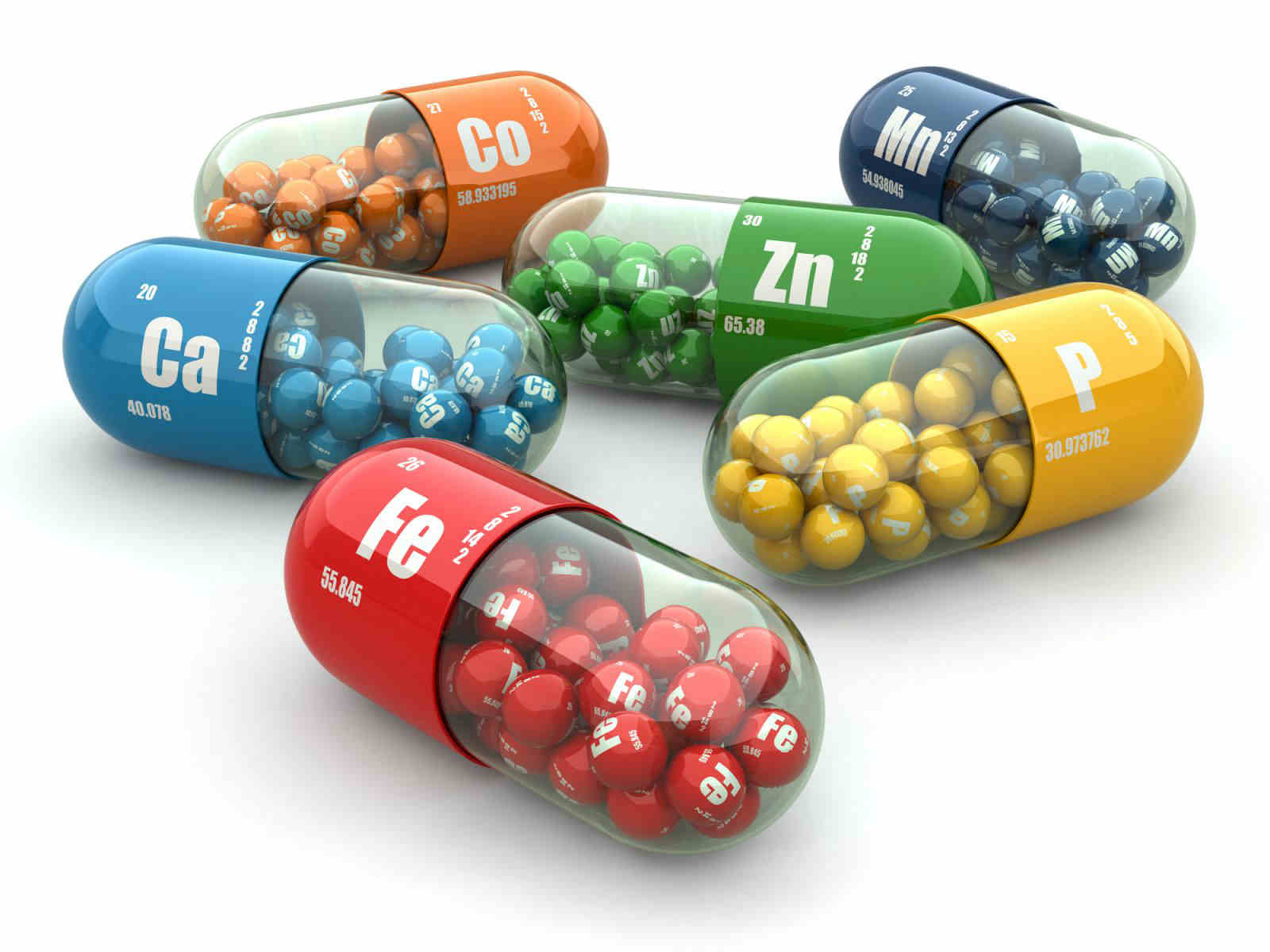
Minerals you can't do without
Iron. Magnesium. Potassium. Calcium. Zinc. Phosphorus. Manganese. Selenium. Copper. Chromium. Sodium.
Chlorophyll and Other Pigments
Pigment | Concentration(mg /100g) | Benefit |
|---|---|---|
Phycocyanin | 14% by weight | Potent antioxidant, anti-inflammatory, and hepatoprotective agent |
Chlorophyll | 1,000–1,700 | Acts as a natural internal detoxifier and cleanser, enhancing the metabolism of carbohydrates, proteins, and lipids while supporting tissue repair and reproduction. |
β-carotene | 150–250 | Vitamin A precursor that neutralizes singlet oxygen and supports immune regulation |
Xanthophylls | 125–200 | Critical for eye health and cognitive protection. |
Cryptoxanthin | 5-10 | Contributes to Antioxidant network that functions across multiple tissue sites in the body |
Echinenone | 10-20 | Contributes to Antioxidant network that functions across multiple tissue sites in the body |
Myxoxanthophyll | 20-30 | Contributes to Antioxidant network that functions across multiple tissue sites in the body |
Allophycocyanin | 2,000–5,500 | Contributes to Antioxidant network that functions across multiple tissue sites in the body |
Health Benefits: What the Research Actually Shows
The health claims around spirulina range from rigorous to ridiculous. Here is what the peer-reviewed literature supports with reasonable confidence.
1. Spirulina Enhances Immune System Modulation
Multiple randomised controlled trials have demonstrated that spirulina supplementation increases the production of cytokines — signalling proteins that coordinate immune responses. Specifically:
Increases in interferon-gamma and interleukin-2, which activate natural killer (NK) cells and T-cells
Enhanced phagocytic activity in macrophages (the immune cells that engulf pathogens)
Improved antibody responses to vaccination in some studies
These effects are modest, not miraculous. Spirulina supports immune function; it does not replace it.
2. Spirulina Moderates Lipid Profile and Cardiovascular Risk
A meta-analysis of randomised controlled trials (published in Clinical Nutrition, 2016) found that spirulina supplementation:
Reduced total cholesterol by an average of 46 mg/dL
Reduced LDL cholesterol by approximately 41 mg/dL
Reduced triglycerides by approximately 44 mg/dL
Increased HDL cholesterol (the “good” cholesterol) by approximately 6 mg/dL
The effect size is comparable to moderate dietary changes — meaningful, but not a substitute for medical treatment in individuals with severe dyslipidaemia.
3. Spriulina Blood Pressure Regulation
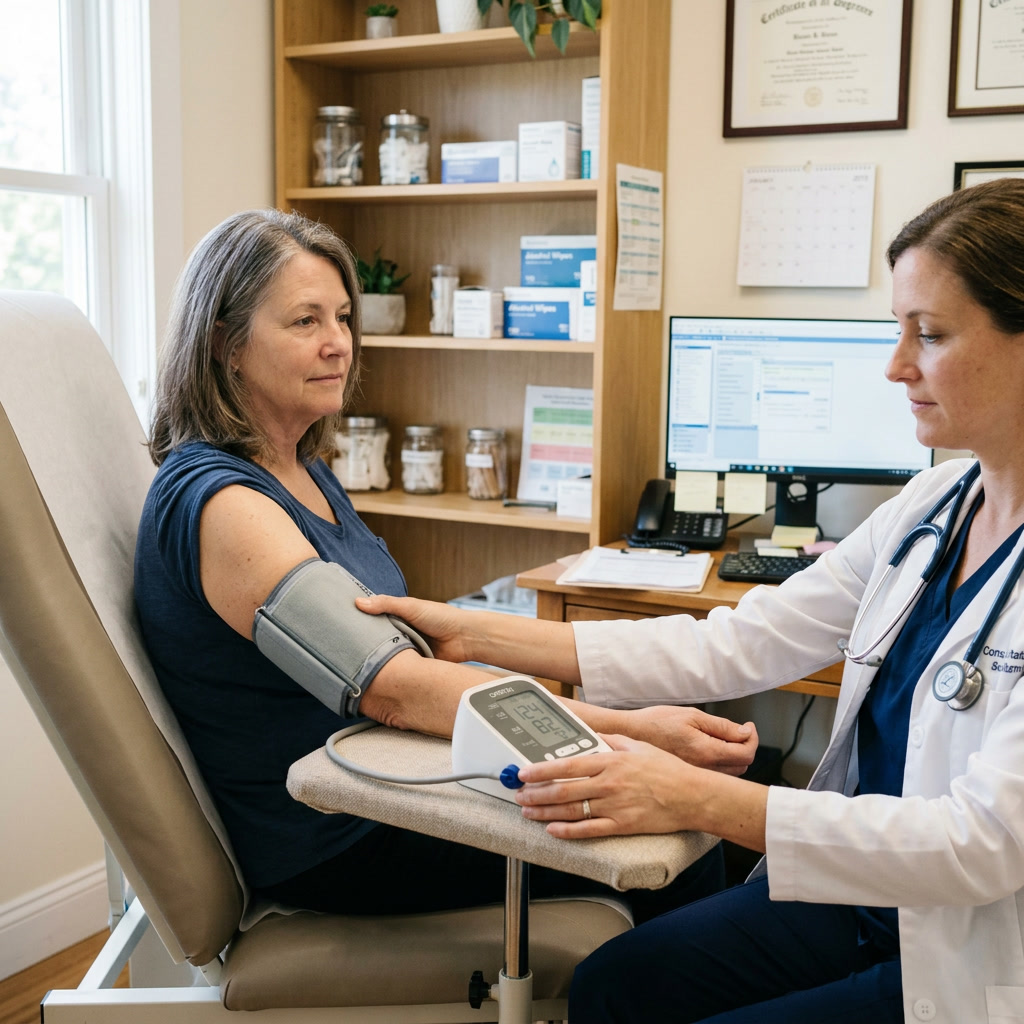
Spirulina contains peptides that inhibit ACE (angiotensin-converting enzyme) — the same mechanism targeted by common blood pressure medications. Studies show an average reduction of 4–6 mmHg in systolic blood pressure and 2–3 mmHg in diastolic pressure with consistent supplementation.
Again: a supportive effect, not a replacement for prescribed treatment.
4. Spirulina Enhances Blood Sugar Stability
Several studies indicate that spirulina can reduce fasting blood glucose and improve HbA1c (the long-term blood sugar marker) in individuals with type 2 diabetes. The effect is thought to be mediated by phycocyanin and polysaccharides that improve insulin sensitivity.
5. Spirulina Improves Exercise Recovery and Endurance

The high protein content, combined with antioxidant compounds, appears to reduce exercise-induced oxidative stress and muscle damage markers. A study in the European Journal of Applied Physiology found that spirulina supplementation delayed fatigue and improved time-to-exhaustion in trained cyclists.

6. Spirulina Excels At Heavy Metal Detoxification
Spirulina has a remarkable capacity to bind heavy metals — lead, mercury, arsenic, cadmium — through a combination of ion exchange and chelation. This is a double-edged sword:
In controlled studies, spirulina has been shown to reduce blood lead levels in exposed populations
However, spirulina grown in contaminated water will concentrate those contaminants in its tissues
This is why the source of your spirulina matters enormously. Clean cultivation is not optional — it is essential.
Fresh vs. Dried: The Nutritional Reality
The delivery method matters as much as the organism itself.
From the moment spirulina is harvested, chemical changes begin:
Time point
What Happens
Harvest
Phycocyanin at peak concentration (typically 10–20% of dry weight)
Drying (heat)
Phycocyanin begins denaturing at 60°C. Spray drying exposes cells to 150–200°C for seconds. Significant pigment loss occurs
1 month storage
Phycocyanin reduced by 20–40%. Vitamin C largely gone. Lipid oxidation begins
6 month storage
Phycocyanin reduced by 50–70%. Oxidised lipids may produce off-flavours and reduced bioactivity
12 months storage +
Phycocyanin often below 5% of original. Product stable but biologically degraded
Fresh spirulina paste, consumed within days of harvest, retains phycocyanin at levels 3–5 times higher than typical commercial powders.
Taste and Tolerability

Fresh spirulina has a mild, slightly oceanic, creamy flavour — comparable to raw peas or seaweed salad. It blends into smoothies without grit and does not produce the “fishy” aftertaste common to aged powders.
This matters for compliance. A superfood that sits in the cupboard because it tastes unpleasant delivers zero benefits.
Contamination Risk
The highest-quality spirulina powders undergo rigorous testing for heavy metals, microcystins, and bacterial contamination. But testing is not universal. Some markets — particularly regions with weaker supplement regulation — have documented contamination in commercial products.
Growing your own eliminates the supply chain entirely. You control the water, the nutrients, and the environment.
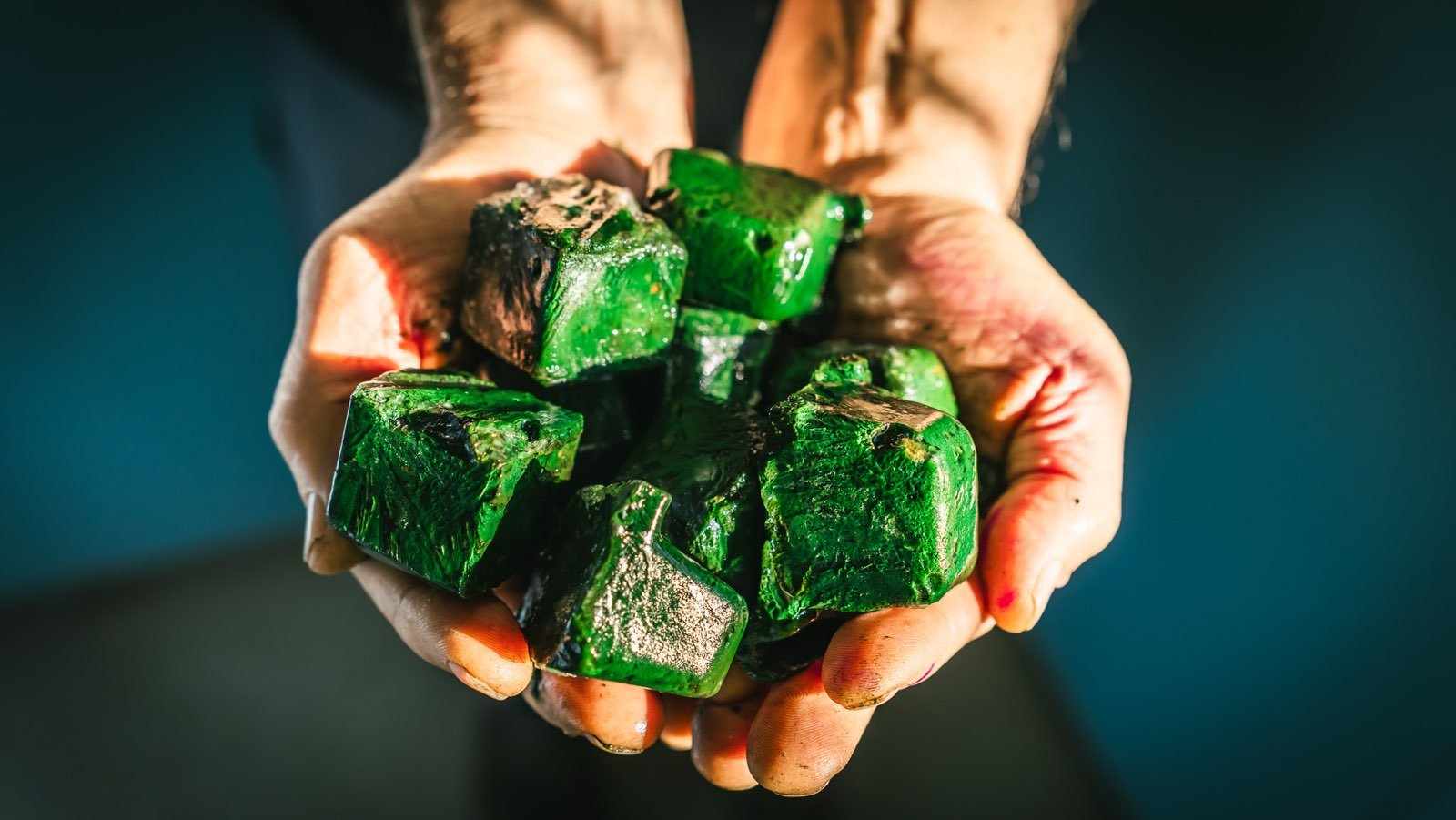
The Bottom Line
Spirulina is not a miracle. It is a concentrated, bioavailable source of protein, vitamins, minerals, and unique pigments — particularly phycocyanin — with documented effects on immune function, cardiovascular risk markers, blood sugar stability, and exercise recovery.
The research is real but bounded. Spirulina supports health; it does not cure disease. The benefits are greatest when the organism is consumed fresh, before heat and oxidation degrade the compounds that make it valuable.
If you are going to consume spirulina, the question is not whether it works. The question is whether you are getting the active compounds in a form your body can use. Fresh, home-grown spirulina answers that question with a definitive yes.
Ready to Experience Fresh Spirulina?
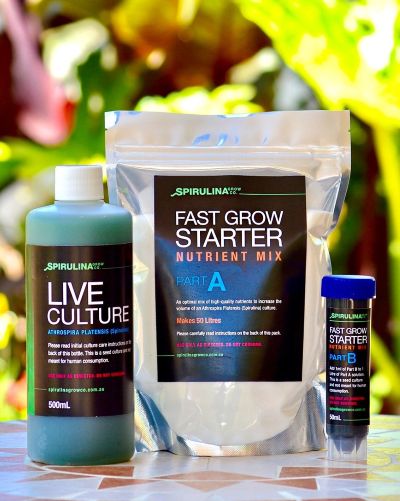
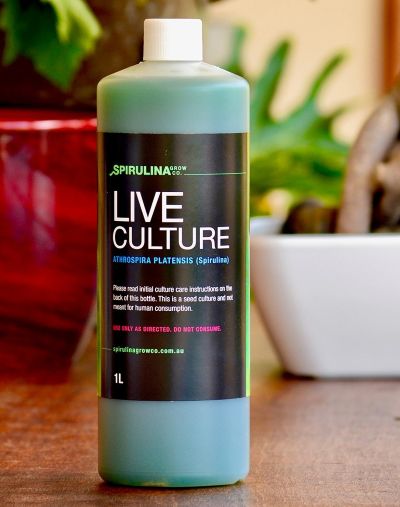
Spirulina Grow Co supplies pure, microscopy-checked live cultures within Australia — along with the nutrients, equipment, and knowledge you need to produce fresh spirulina at home indefinitely.

Great content! Keep up the good work!