
Ecological benefits of spirulina
An incredibly efficient organism - food of the future
Our Food Security is on the Brink as a perfect storm approaches
With soaring temperatures, diminishing water resources, ecological collapse, shrinking arable land, and population growth the world’s ability to feed itself teeters on a knife’s edge.
Extreme weather events, soil degradation, water shortages and destructive pests threaten crop yields worldwide, while population growth and supply shocks ratchet up the pressure.
If these crises aren’t contained, our food systems may crack—putting billions at risk of hunger and driving global instability.
Spirulina: food for an uncertain future
As we move forward into an uncertain future, we will need to produce increasing amounts of food as efficiently as possible while reducing our impact on already embattled ecosystems.
To do this, we will need to do things differently, think outside the box, and be willing to embrace novel technologies.
Spirulina is a good example of such a technology.
Spirulina is spectacular at using resources efficiently.
Land use
The world is hemorrhaging fertile farmland at an alarming pace, with 33% of the planet's arable land lost in just four decades due to intensive agriculture, urbanization, and climate change. Every year, the global community loses 24 billion tons of fertile soil and 100 million hectares of healthy agricultural land.
To feed an increasingly hungry planet we will need to rethink how we grow food. In this context consider the following:
You can't:

Farm beef on your window sill
To produce 1kg of beef protein it takes from 50 - 2400 square meters of farm land. This is causing catastrophic damage to the environment.
keep chickens in your house
To produce 1kg of protein from chickens it takes 10 - 20 square meters of land. Also chickens on your widow sill would be super messy.
Grow enough chickpeas at home to make a bowl of humus
To farm 1kg of chickpea protein it takes about 35 square meters of farmland - for one year.
produce enough milk at home to make cheese
To create 1kg of dairy protein it takes about up to 90 square meters of farm land for one year.
You can, however:
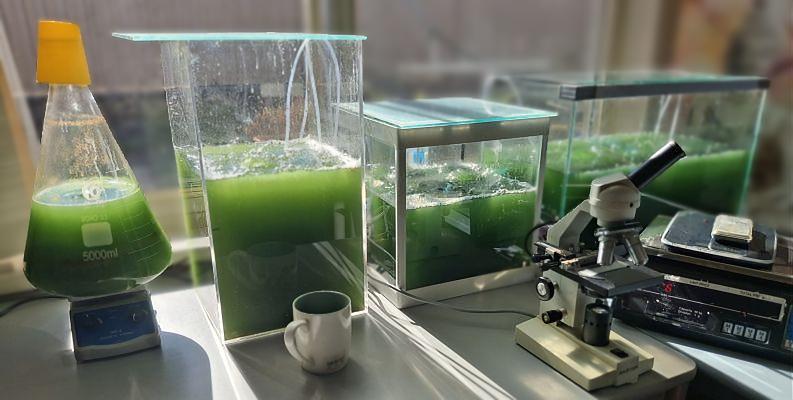
Produce about 10kg (dry) of high grade protein per year in a 100L aquarium that can easily sit on a widow sill. Not only do you get the protein, you also gain a whole suite of vitamins, minerals and powerful phytonutrients. More on spirulina nutrients.
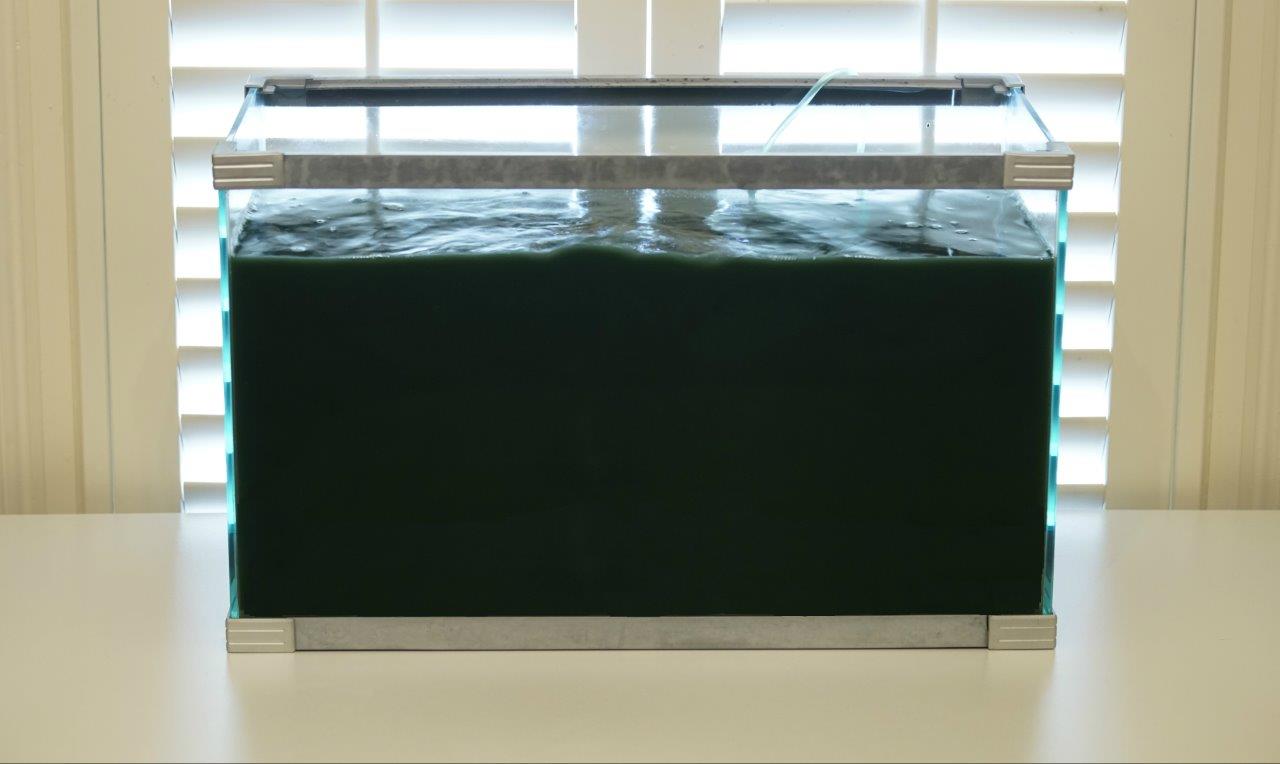
Spirulina is vastly more land-use efficient than any other production system. For example spirulina has a 880 - 42,000 times greater efficiency than grass-fed beef systems.
water use
The world is experiencing the most severe freshwater crisis in recorded history, marked by Earth's freshwater reserves plummeting by 1210 cubic kms since 2014—equivalent to losing two and a half times the volume of Lake Erie. This staggering decline signals that Earth's continents may have entered a persistently drier phase that fundamentally transforms the hydrological cycle humanity has depended upon for millennia.
The crisis deepens as groundwater levels decline in 71% of the world's aquifer systems, with 30% experiencing accelerating depletion rates that have doubled since the 1980s, while 21 of the world's 37 largest aquifers are being depleted faster than they can naturally recharge. This water apocalypse has already engulfed 2.2 billion people who lack access to safe drinking water, while an additional 3.6 billion people face inadequate water access for at least one month each year, a number projected to explode to 5 billion by 2050.
Agriculture systems use the lions share of this water. Thus we need to look to systems that use water more efficiently.
Again spirulina is significantly more efficient in terms of water use.


What does 1 kg of protein cost in water
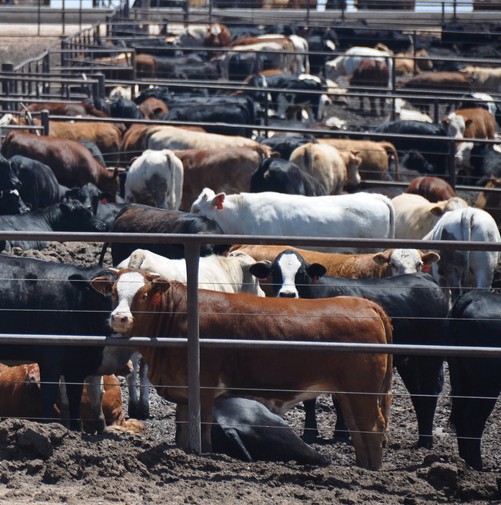
Beef protein costs 112,000 to 150,000 L/kg

Dairy protein costs 82,000 L/kg
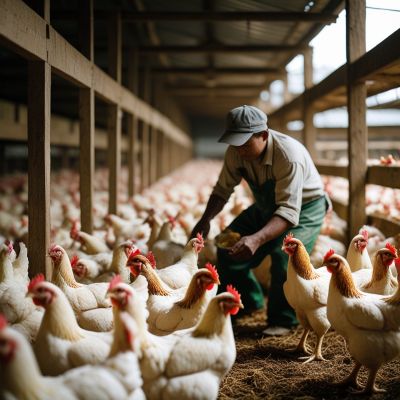
Chicken protein costs 20,000 L/kg
Pork protein costs 23,000 L/kg
Soy protein costs 6,000 L/kg
Spirulina protein costs just 1000-2000 L/kg
Energy use
How much Gasoline does it take to make a kilo of protein
Beef Protein
14 - 24 L
Pork Protein
7 - 12 L
Chicken Protein
2 - 4 L
Spirulina Protein
2 - 4 L
Soy Protein
0.3 - 1 L

The winner this time is Soy Beans. This would also be the case for other legumes too. However they do not deliver the same nutritional punch as spirulina and use a lot more space and water than producing Spirulina protein. The loser, yet again, is beef, which is the least resource use efficient form of protein by a long shot.
Carbon footprint
The foods we choose every day have a massive impact on climate change: animal proteins like beef and pork consume up to 28 times more energy per kilogram of protein than plant-based options like soy, driving huge emissions from feed production, land use, and fossil fuel consumption.
Globally.our appetite for meat and dairy fuels nearly a third of all greenhouse gases from food systems, making a shift toward plant-based diets one of the most powerful actions individuals can take to slash carbon footprints and protect the planet’s future.
Again spirulina stands out as a low carbon protein and nutrient choice. Imagine if everyone replaced just 5kg of meat with spirulina protein per year - what a massive difference it would make.
How much CO2 do our protein choices contribute to climate change
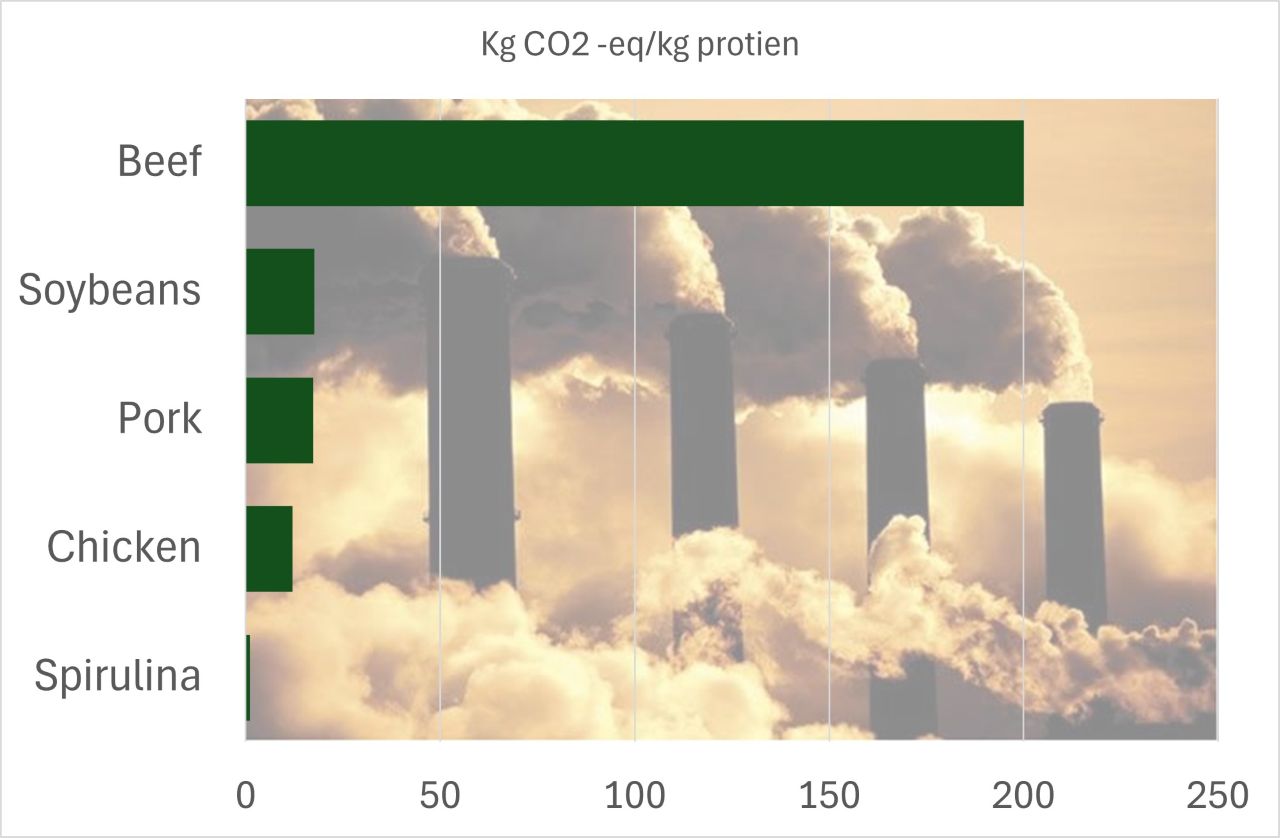
The carbon cost of our protein choices - kg of CO2 emmitted / kg protein produced
In summary
Spirulina is a game-changing protein source for a hotter, hungrier planet: it packs more protein than steak but demands a fraction of the land, water, and energy. Its closed-loop, high-efficiency cultivation slashes greenhouse emissions—offering a potent, planet-friendly solution for feeding billions without burning so quickly through the Earth’s precious resources.
You can be part of the solution by growing your own spiurlina.
Everything you need to start growing your own fresh spirulina
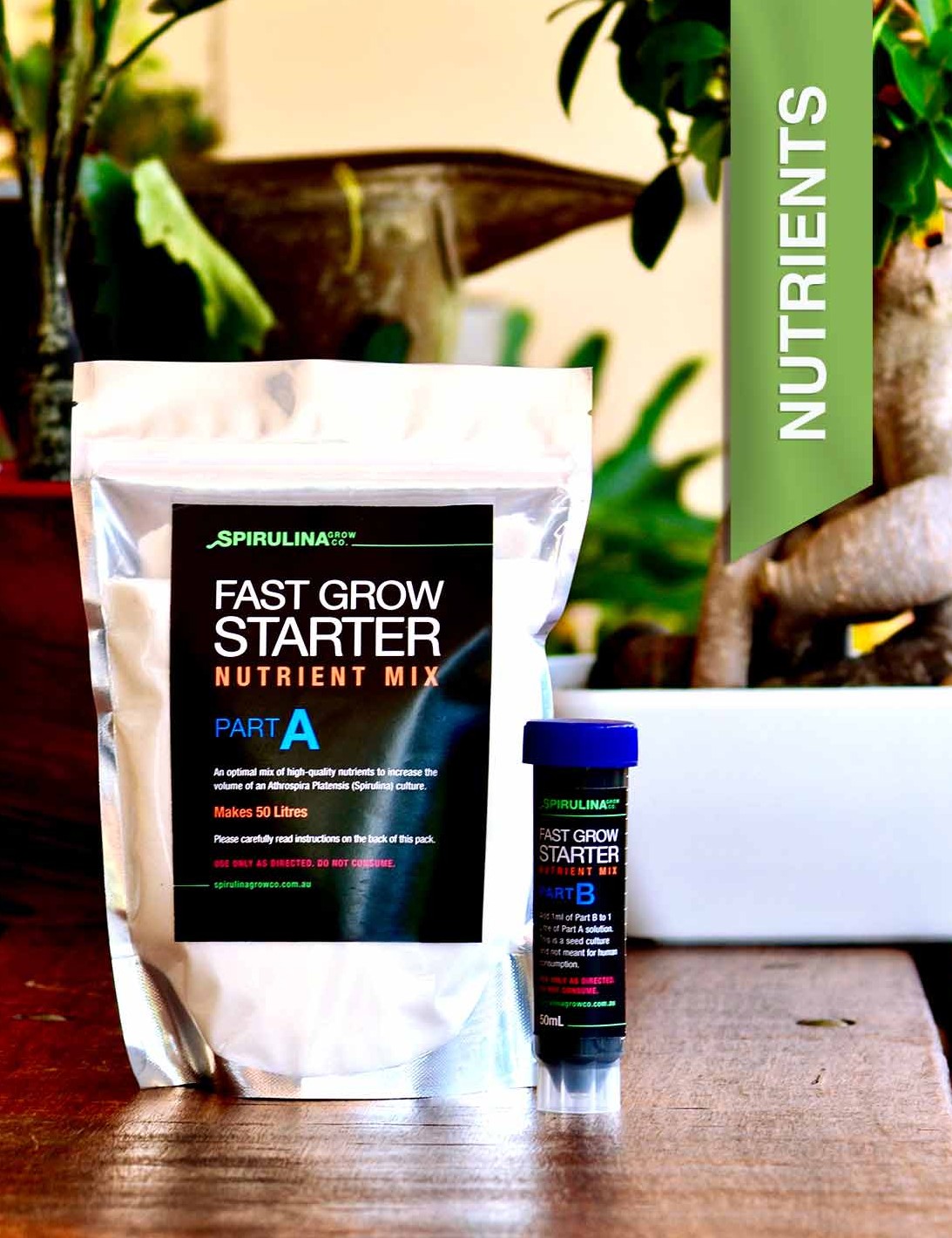
Fast Grow Starter Nutrient Pack For Cultivating your Spirulina
The starter nutrient pack is specially formulated for the rapid and healthy growth of your Spirulina culture. These nutrients are free from contaminants and heavy metals.
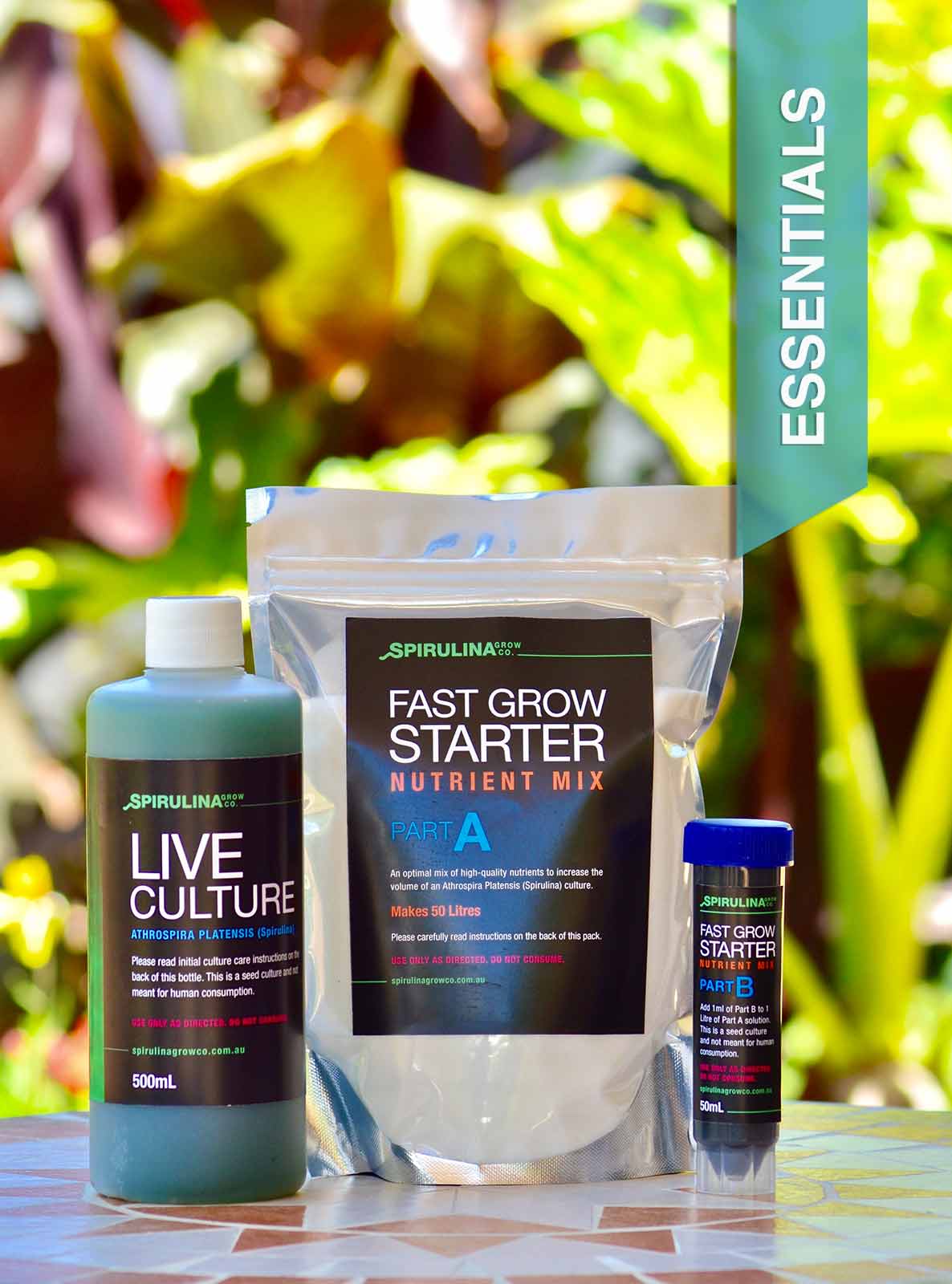
500 ml live Spirulina culture and Fast Grow starter nutrient pack
The 500 ml live culture and starter nutrient pack along with the comprehensive instruction manual contain the essential components needed to get your spirulina micro-farm established.
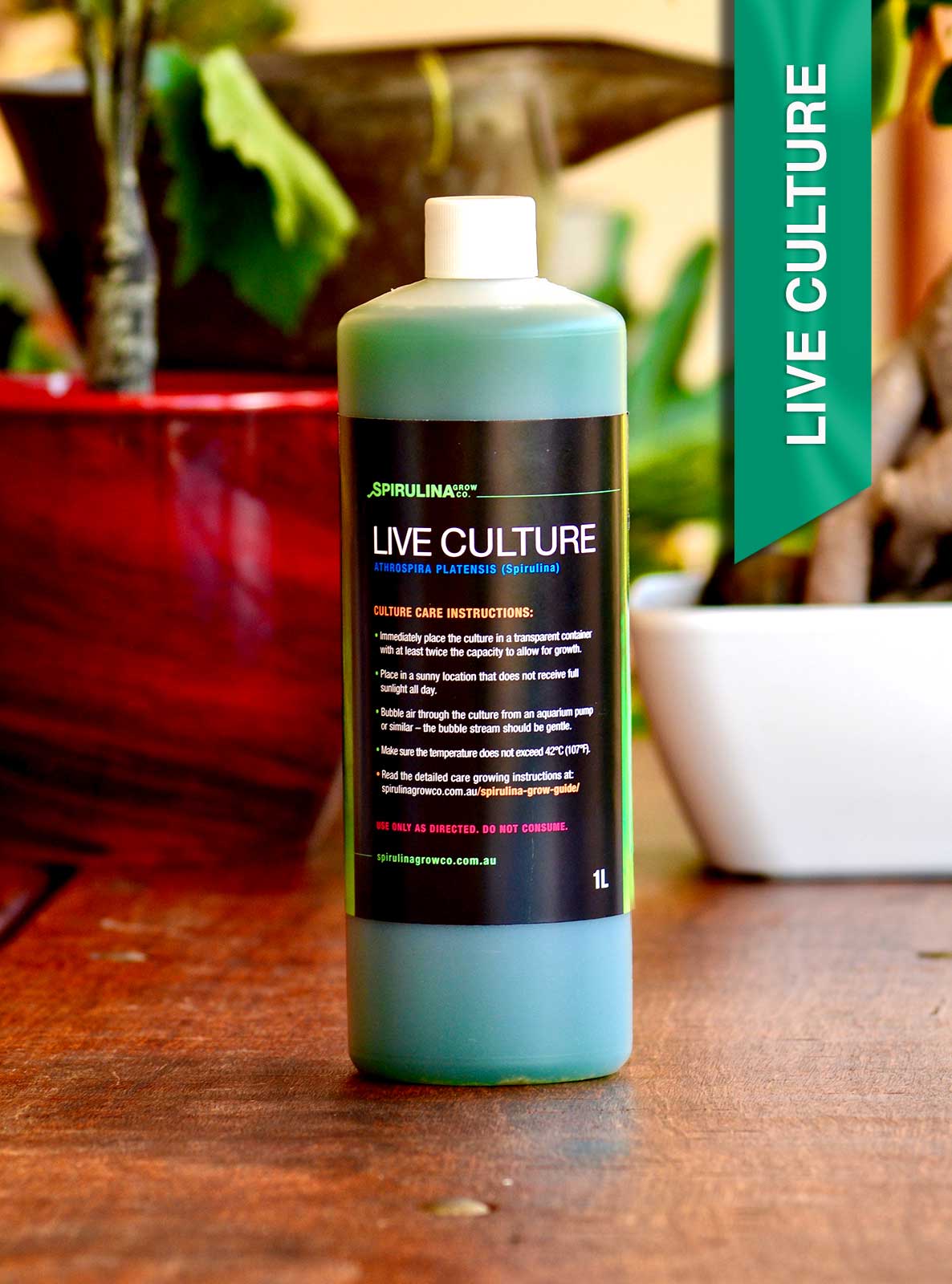
1000 ml of live seed culture - checked for purity
If you feel comfortable formulating and sourcing your own starter nutrient mix then the 1-liter live starter culture is all you need from us to get your Spirulina micro-farm established.
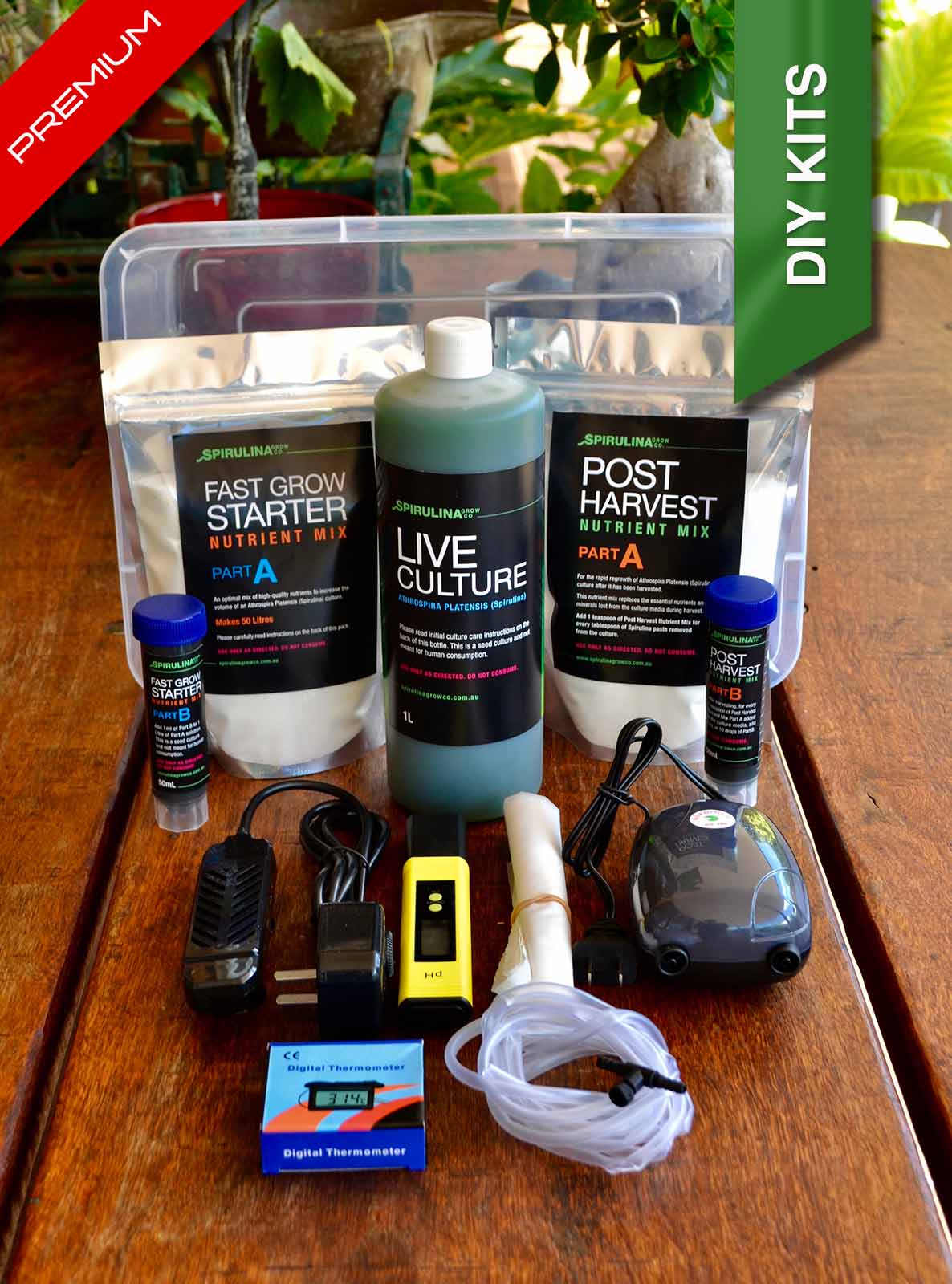
Premium Spirulina Farming Kit – Everything you need to start!
This Premium Spirulina kit that contains all the essential information, equipment, nutrients and culture needed to start, monitor, maintain and harvest your own Spirulina at home
Copyright 2026 , all rights reserved.