
Evidence-Based Medicinal Benefits of Spirulina
Let food be your medicine
Growing your own spirulina isn't just about cultivating a nutritious food—you're harvesting one of nature's most thoroughly researched superfoods. With over 1000 peer-reviewed papers documenting its medicinal effects, spirulina stands out as a scientifically validated therapeutic food with extraordinary healing potential.
Here are some of the commonly documented health benefits of spirulina.
Cardiovascular Health and Heart Protection
Spirulina demonstrates remarkable cardiovascular benefits through multiple clinical trials. Meta-analyses of randomized controlled trials consistently show significant improvements in heart health markers. Regular spirulina supplementation reduces total cholesterol by an average of 47 mg/dL, lowers LDL ("bad") cholesterol by 41 mg/dL, and decreases triglycerides by 44 mg/dL while simultaneously increasing HDL ("good") cholesterol by 6 mg/dL.
The blood pressure benefits are equally impressive. Clinical studies reveal that consuming just 2 grams of spirulina daily can reduce systolic blood pressure by 6-14 points and diastolic pressure by 3-7 points within 8-12 weeks. These effects are particularly pronounced in people with existing hypertension, with some studies showing that 36% of participants achieved normal blood pressure readings after spirulina supplementation.
Research indicates that spirulina's cardiovascular benefits stem from its unique combination of phycocyanin, gamma-linolenic acid, and antioxidants that work synergistically to reduce inflammation in blood vessels and improve overall circulation.

Blood Sugar Control and Diabetes Management
For individuals with diabetes, spirulina offers compelling therapeutic benefits. A 2021 meta-analysis of eight clinical trials demonstrated that spirulina supplementation significantly lowers fasting blood glucose levels in people with type 2 diabetes. Additional research shows that consuming 8 grams of spirulina can reduce post-meal blood glucose spikes by notable margins within 90-120 minutes.
The mechanisms behind these effects include improved insulin sensitivity, enhanced beta-cell function in the pancreas, and reduced inflammation that interferes with glucose metabolism. Studies also indicate that spirulina helps stabilize blood sugar levels throughout the day, preventing the dramatic highs and lows that many diabetics experience.
Immune System Enhancement
Spirulina's immune-boosting properties are among its most well-documented effects. Clinical trials consistently demonstrate enhanced immune function, with participants showing significant improvements in immune status scores—increasing from baseline scores of 4.4 to 8.74 after eight weeks of supplementation.
The algae increases production of infection-fighting cytokines and enhances natural killer (NK) cell activity. Research at UC Davis found that adding spirulina to immune system cells significantly increased production of infection-fighting proteins, effectively "building up your immune army". Studies also show increased immunoglobulin A (IgA) production, which strengthens mucosal immunity—your body's first line of defense against pathogens.
Neurological Protection and Brain Health
Emerging research reveals spirulina's remarkable potential for brain protection. Extensive animal studies demonstrate that spirulina and its key compound phycocyanin can cross the blood-brain barrier and provide neuroprotective effects. These studies show reduced brain inflammation, protection against stroke damage, and preservation of cognitive function in models of neurodegenerative diseases.
Research indicates that spirulina supplementation increases levels of brain-derived neurotrophic factor (BDNF) and nerve growth factor, two crucial proteins for brain health and neural regeneration. Studies in aging rats showed that spirulina-enriched diets improved both spatial and motor learning while reducing brain inflammation.
Cancer Prevention and Anti-Tumor Activity
Clinical research provides compelling evidence for spirulina's cancer-fighting potential. The most dramatic results come from oral cancer studies, where spirulina supplementation achieved complete regression of precancerous lesions in 45% of participants, compared to only 7% in the placebo group. This effect was most pronounced in homogeneous leukoplakia, with 57% of participants showing complete reversal.
Animal studies demonstrate even broader cancer-fighting effects. Research on breast cancer showed that spirulina supplementation reduced tumor incidence from 87% to just 13%. The mechanisms include increased expression of tumor suppressor proteins, enhanced apoptosis (programmed cell death) in cancer cells, and reduced expression of cancer-promoting factors.
Spirulina's polysaccharides have shown chemo-protective and radio-protective capabilities, potentially serving as adjuncts to conventional cancer therapy. The algae enhances the activity of natural killer cells and increases production of tumor necrosis factors, both crucial for the body's natural cancer surveillance system.
Allergy Relief
For allergy sufferers, spirulina offers natural relief that often matches or exceeds conventional treatments. Clinical trials comparing spirulina to cetirizine (a standard antihistamine) found spirulina more effective at improving cardinal symptoms of allergic rhinitis. Participants experienced significant reductions in runny nose, nasal congestion, sneezing, and itching.
The anti-allergy effects result from spirulina's ability to inhibit histamine release from mast cells and reduce inflammatory cytokines like interleukin-4 by up to 32%. Studies show increased levels of anti-inflammatory interleukin-10, helping to rebalance the immune response that drives allergic reactions.Respiratory Health
Spirulina demonstrates promising evidence-based benefits for respiratory health, primarily through its potent anti-inflammatory, antioxidant, and immunomodulatory properties. Its high concentration of phycocyanin—a bioactive pigment—inhibits pro-inflammatory cytokines and reduces oxidative stress in lung tissue, which is particularly relevant for conditions like allergic rhinitis and asthma. Clinical studies show spirulina significantly alleviates allergic rhinitis symptoms, with one trial reporting reduced nasal congestion, sneezing, and itching comparable to antihistamines, likely due to suppression of histamine release and IgE production. For asthma, spirulina supplementation (500 mg/kg in rodent models) lowered key inflammatory mediators such as IL-4, IL-5, IL-13, and IgE by 18–50%, while also reducing bronchial constriction and airway inflammation induced by allergens like ovalbumin and cigarette smoke.
In chronic obstructive pulmonary disease (COPD), spirulina counters oxidative damage by enhancing endogenous antioxidants like glutathione and superoxide dismutase, while reducing lipid peroxidation markers such as malondialdehyde. A human study found that 1–2 g/day for 60 days improved lung function parameters (e.g., FEV1) and exercise tolerance, partly by mitigating inflammation triggered by tobacco smoke. Notably, spirulina's antiviral properties may support respiratory immunity; during COVID-19, high-dose supplementation (15.2 g/day) in hospitalized patients reduced mortality by 85% in ICU settings and accelerated recovery by dampening cytokine storms (e.g., lowering IL-6 and TNF-α) and elevating protective interferon-gamma levels
Detoxification and Heavy Metal Removal
Spirulina demonstrates remarkable ability to remove toxic metals from the body. Clinical studies show that spirulina can reduce urinary radioactivity levels by 50% in just 20 days. This was dramatically demonstrated in children affected by the Chernobyl disaster, where 5 grams daily of spirulina helped reduce radiation-related health problems.
Research on heavy metal toxicity shows spirulina's effectiveness against arsenic, mercury, lead, and cadmium poisoning. A comprehensive review of 58 preclinical studies and 5 clinical trials confirms spirulina's protective effects against heavy metal toxicity. The algae works through chelation—binding to toxic metals and helping the body eliminate them through natural detoxification pathways.Athletic Performance and Muscle Strength
Athletes have embraced spirulina for good scientific reasons. Research demonstrates that spirulina supplementation significantly increases peak muscle force, average force production, and reduces fatigue. Studies show that combining spirulina with training produces better results than training alone for building muscle strength.
The performance benefits include enhanced endurance, improved fat oxidation during exercise, faster recovery, and reduced exercise-induced oxidative damage. Athletes report feeling more energetic, sleeping better, and experiencing less fatigue after physical exertion.
Weight Management and Metabolism
For weight management, spirulina shows consistent benefits across multiple studies. Meta-analysis of clinical trials reveals that spirulina supplementation produces significant weight loss, with an average reduction of 1.56 kg. The effects are most pronounced in obese individuals, who experience greater weight loss (2.06 kg average) compared to overweight participants.
Beyond weight loss, spirulina reduces body fat percentage and waist circumference while helping suppress appetite through effects on satiety hormones.. Clinical studies show reduced appetite scores and improved adherence to calorie-restricted diets when spirulina is included.
Liver Health and Protection
Spirulina offers significant liver protection and enhancement. Clinical trials demonstrate that spirulina supplementation improves liver enzyme levels (AST and ALT) and reduces markers of liver damage. Studies show enhanced antioxidant enzyme activity in the liver and reduced lipid peroxidation—key indicators of liver health.
Research indicates particular benefits for non-alcoholic fatty liver disease (NAFLD), with spirulina helping reduce liver fat accumulation and inflammation. The hepatoprotective effects are attributed to spirulina's high content of phycocyanin, chlorophyll, and antioxidant compounds that support liver detoxification processes.
Safety Profile and Dosage Guidelines
Clinical research consistently demonstrates that spirulina is remarkably safe, with most studies reporting no adverse events during supplementation periods. A 2022 comprehensive review suggests that safe dosages range from 3-10 grams daily for most adults.
The most common mild side effects, when they occur, include temporary digestive adjustment, thirst, or mild fatigue as the body adapts to increased detoxification.
High-dose studies using up to 2.3 grams of phycocyanin daily (equivalent to much higher spirulina doses) showed no safety concerns and actually improved liver function markers.
Quality remains paramount—choosing laboratory-grown spirulina from reputable sources ensures freedom from contaminants that could cause adverse effects. Pregnant and breastfeeding women should consult healthcare providers before use, though animal studies suggest safety even at high doses.
The Science Behind the Healing
Spirulina's medicinal effects stem from its unique combination of bioactive compounds working synergistically. Phycocyanin, the blue pigment that gives spirulina its color, demonstrates anti-inflammatory activity up to 16 times more potent than vitamin C . This compound, along with spirulina's exceptional superoxide dismutase content—present at concentrations 1,000 to 10,000 times higher than most foods—provides cellular protection at the molecular level.
Spirulina's complete protein profile, containing all essential amino acids, supports tissue repair and immune function. Its rare gamma-linolenic acid content provides anti-inflammatory omega-6 fatty acids, while its rich vitamin and mineral profile supports optimal metabolic functions.
In summary
When you cultivate spirulina, you're growing more than food—you're producing a clinically validated medicine. With hundreds of studies documenting its effects across cardiovascular health, diabetes management, immune enhancement, cancer prevention, detoxification, and more, spirulina stands as one of nature's most thoroughly researched therapeutic foods.
The evidence base spans decades of research across multiple continents, involving thousands of participants in controlled clinical trials. From reducing cholesterol and blood pressure to fighting cancer and enhancing immunity, spirulina's medicinal effects are as impressive as they are scientifically validated.
For those seeking natural approaches to health optimization, fresh spirulina culture represents an evidence-based choice supported by rigorous scientific research—truly a superfood worthy of its reputation.
Everything you need to start growing your own fresh spirulina
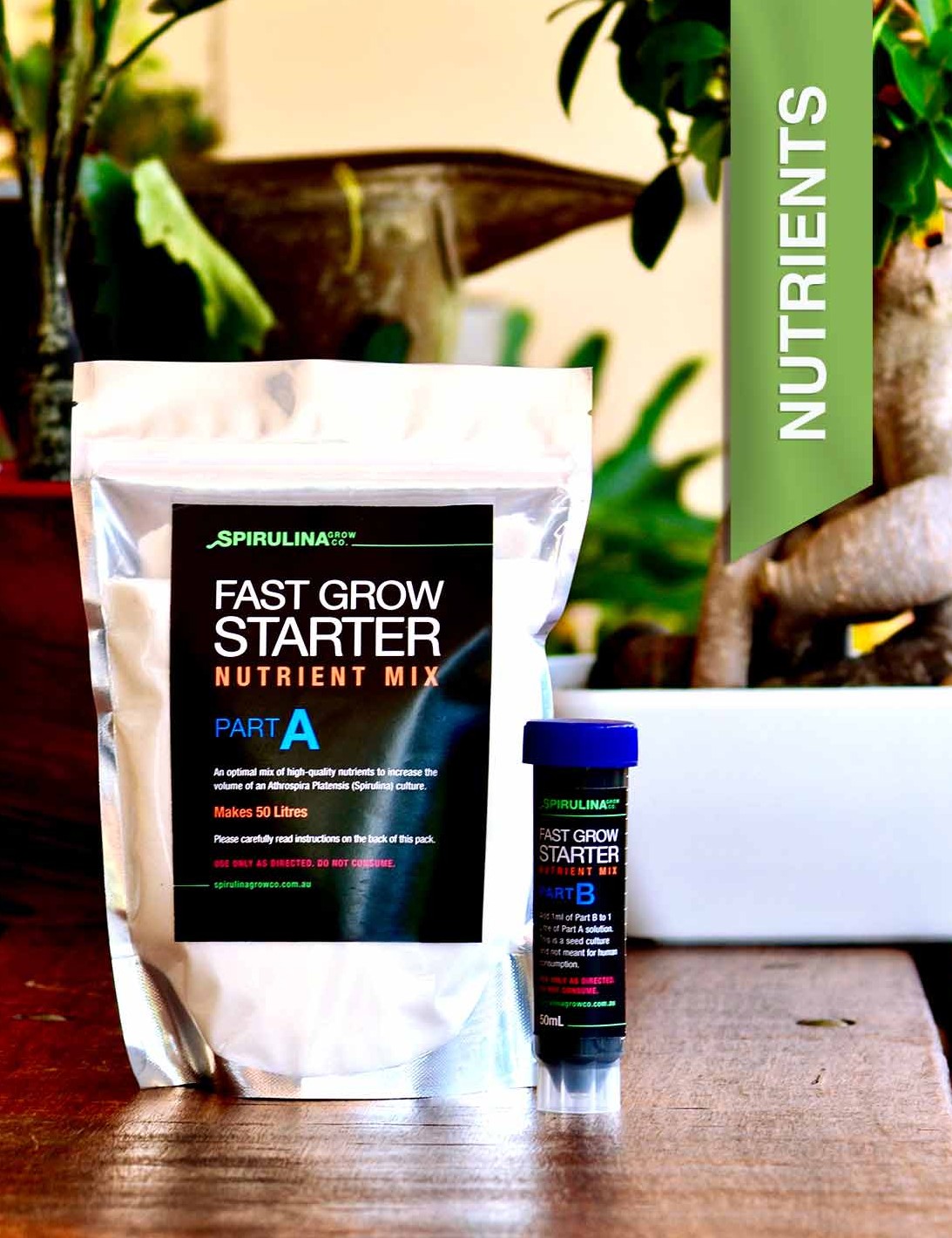
Fast Grow Starter Nutrient Pack For Cultivating your Spirulina
The starter nutrient pack is specially formulated for the rapid and healthy growth of your Spirulina culture. These nutrients are free from contaminants and heavy metals.
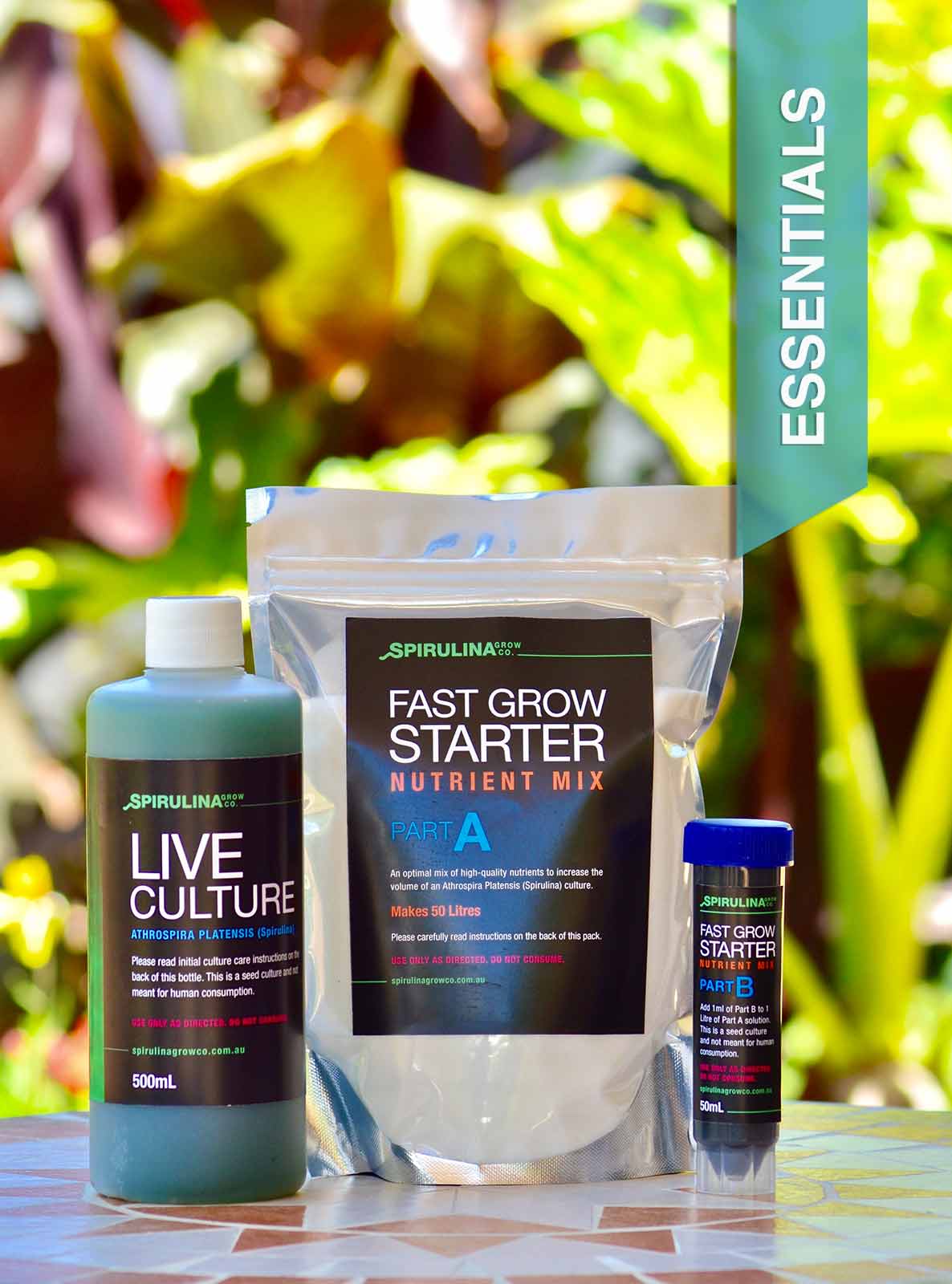
500 ml live Spirulina culture and Fast Grow starter nutrient pack
The 500 ml live culture and starter nutrient pack along with the comprehensive instruction manual contain the essential components needed to get your spirulina micro-farm established.
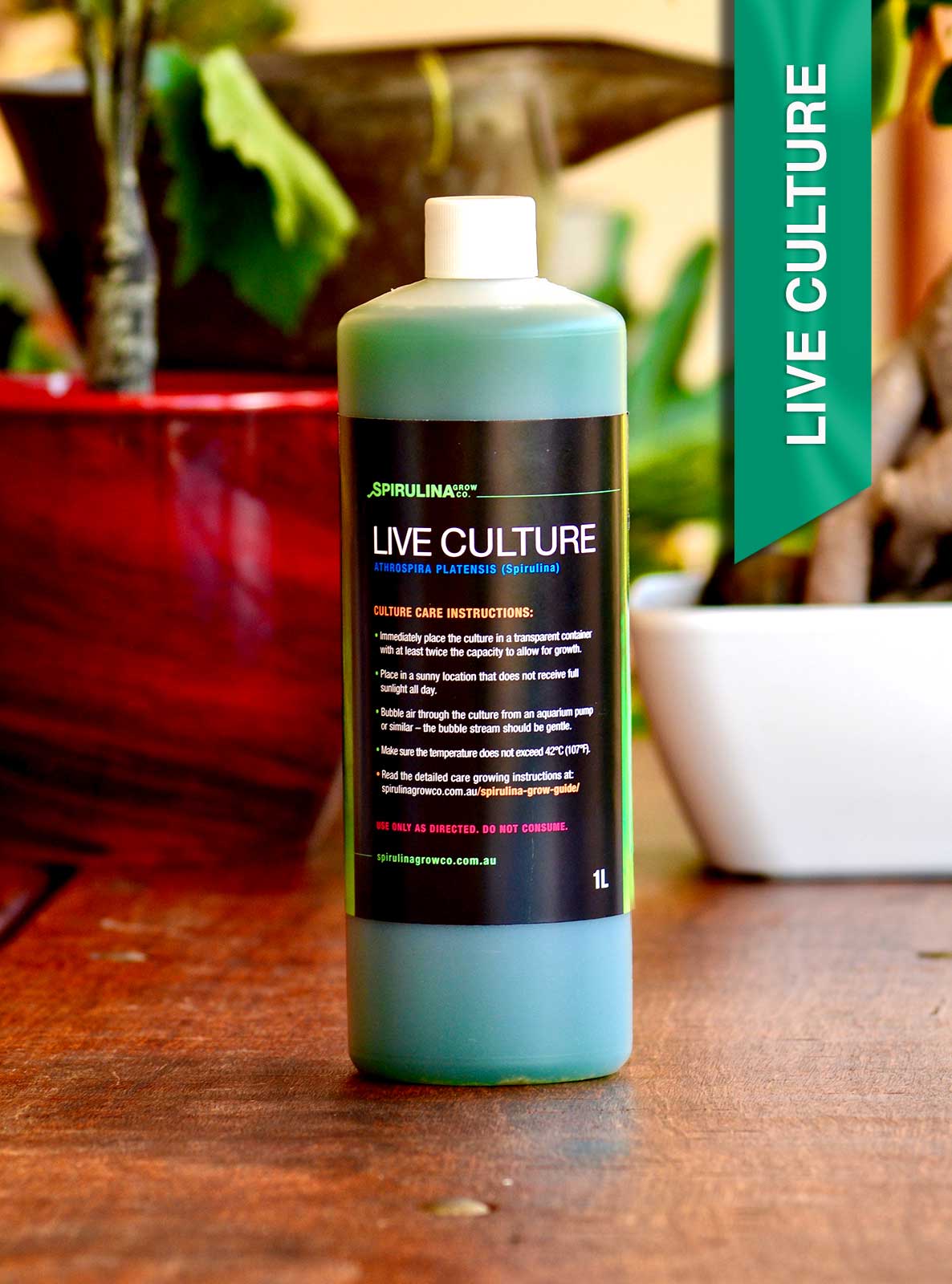
1000 ml of live seed culture - checked for purity
If you feel comfortable formulating and sourcing your own starter nutrient mix then the 1-liter live starter culture is all you need from us to get your Spirulina micro-farm established.
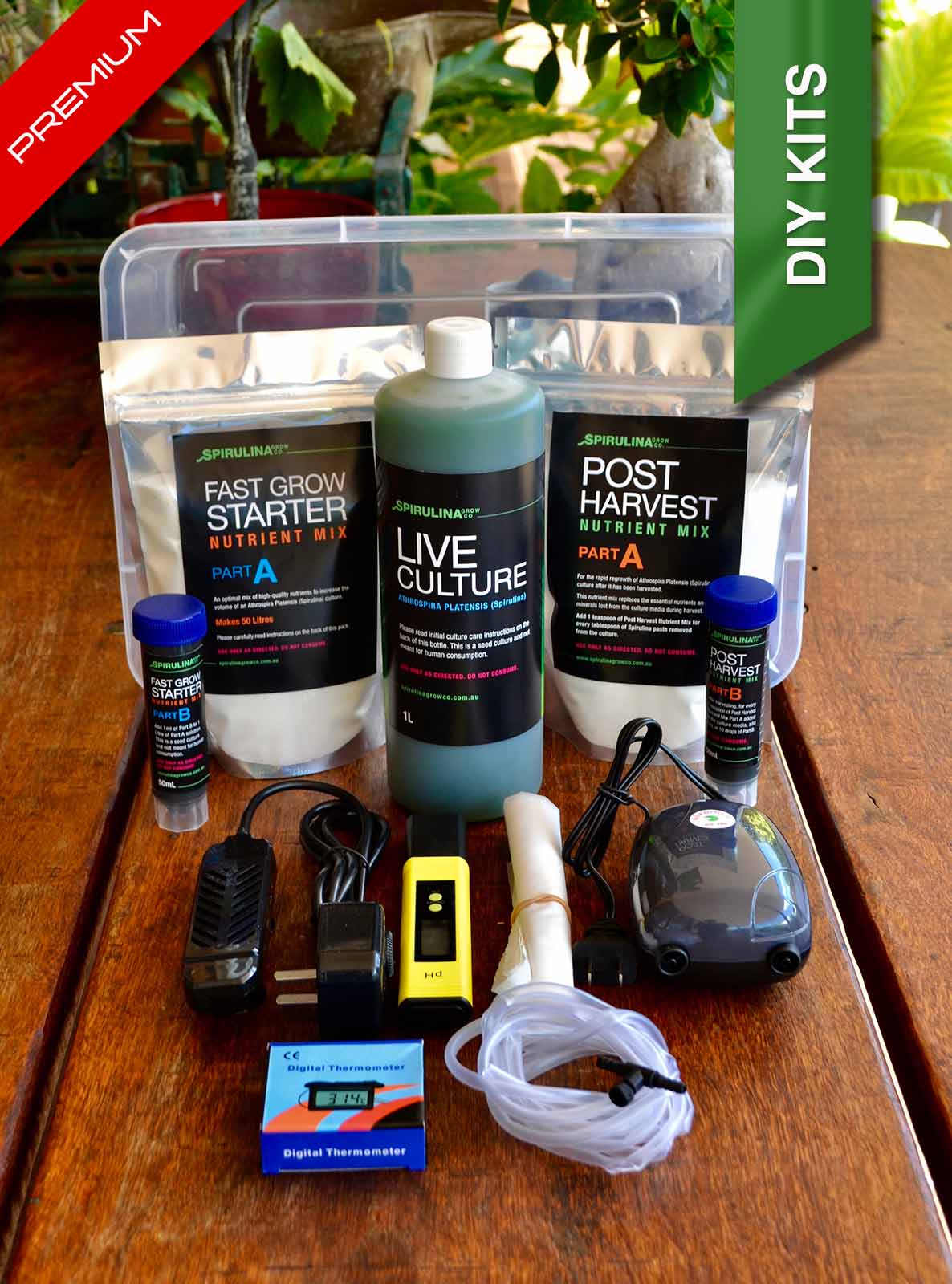
Premium Spirulina Farming Kit – Everything you need to start!
This Premium Spirulina kit that contains all the essential information, equipment, nutrients and culture needed to start, monitor, maintain and harvest your own Spirulina at home
Copyright 2026 , all rights reserved.