
Nutritional benefits of spirulina
Growing spirulina is like having a nutraceutical factory in your own home
Spirulina is one of the most nutritionally complete foods on the planet, offering a dense concentration of vital nutrients that support nearly every system in the body.
Here’s a comprehensive look at its nutritional features and how each contributes to health and wellbeing:
VITAMIns
- Vitamin A (as beta-carotene): Supports vision, immune function, and skin health.
- Vitamin B group
- B1 (Thiamine): Supports energy metabolism and nerve function.
- B2 (Riboflavin): Important for energy production and skin health.
- B3 (Niacin): Aids metabolism and supports nervous system health.
- B5 (Pantothenic acid): Needed for hormone and neurotransmitter synthesis.
- B6 (Pyridoxine): Crucial for amino acid metabolism and brain health.
- B7 (Biotin): Supports healthy skin, hair, and metabolic function.
- B9 (Folic acid): Essential for DNA synthesis and red blood cell formation.
- Vitamin C: Antioxidant, supports immune function
- Vitamin E: A potent antioxidant that protects cells from oxidative damage and supports skin and immune health.
- Vitamin K: Important for blood clotting and bone health.
Minerals
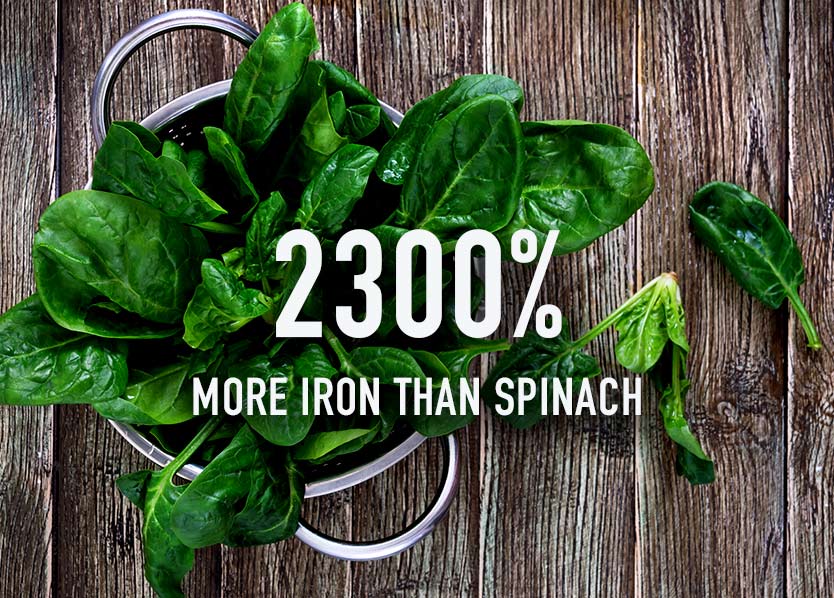
- Iron: 21–46 mg/100g; supports oxygen transport.
- Calcium: 8.4–1185 mg/100g; bone and teeth health.
- Magnesium: 13.6–249 mg/100g; muscle and nerve function.
- Potassium: 95–1678 mg/100g; fluid balance, muscle function.
- Phosphorus: 8.26 mg/7g; tissue repair, metabolism.
- Zinc: 1.2–1.9 mg/100g; immune function, DNA synthesis.
- Sodium: 73–120 mg/7g; nerve impulse transmission.
- Manganese: 0.3–1.9 mg/100g; antioxidant enzyme function.
- Copper: 0.7 mg/7g; red blood cell formation.
- Selenium, Chromium, Nickel, Lead (trace): Various metabolic and enzymatic roles
Phyto- nutrients
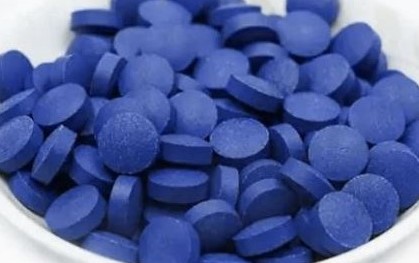
Phycocyanin
The blue pigment unique to spirulina, phycocyanin is a powerful antioxidant and anti-inflammatory compound that helps protect cells from damage and supports immune health.
Chlorophyll
The green pigment that aids in detoxification and supports overall cellular health.
Various Carotenoids
Powerful antioxidants, supporting eye health and protecting against cellular damage.
Superoxide Dismutase
SOD is a potent antioxidant enzyme that neutralizes harmful superoxide radicals, protecting cells from oxidative stress and supporting anti-aging processes.
Amino Acids & Protein
Complete Protein
Spirulina is made up of 60–70% protein by dry weight, containing all nine essential amino acids required for muscle repair, immune function, and enzyme production. They include Histidine, Isoleucine, Leucine, Lysine, Methionine, Methionine, Phenylalanine, Threonine, Tryptophan, and Valine
This makes it an excellent protein source for vegetarians and vegans.
Branched-Chain Amino Acids (BCAAs)
Includes leucine, isoleucine, and valine, which are important for muscle growth and energy during exercise.
Other Amino Acids:
Provides arginine, glycine, methionine, and more, supporting tissue repair, detoxification, and metabolic health.
200% more protein than meat
Lipids(fats)
Gamma-Linolenic Acid (GLA)
A rare omega-6 fatty acid with anti-inflammatory properties, important for healthy skin, hormonal balance, and brain function.
Other Fatty Acids:
Contains small amounts of linoleic acid and stearidonic acid. While earlier reports suggested the presence of omega-3s like EPA and DHA, more recent research shows these are present only in trace amounts
Low in Saturated Fat:
Spirulina is naturally low in unhealthy fats, making it a heart-healthy choice.
Antioxidants
Spirulina stands out for its exceptional antioxidant capacity, surpassing many commonly consumed healthy foods. It contains a unique blend of both enzymatic antioxidants—such as superoxide dismutase (SOD), glutathione peroxidase (GPx), and catalase (CAT)—and non-enzymatic antioxidants, including vitamins C, E, and K, as well as a rich array of carotenoids like beta-carotene and the blue pigment phycocyanin, which is considered its most potent antioxidant.
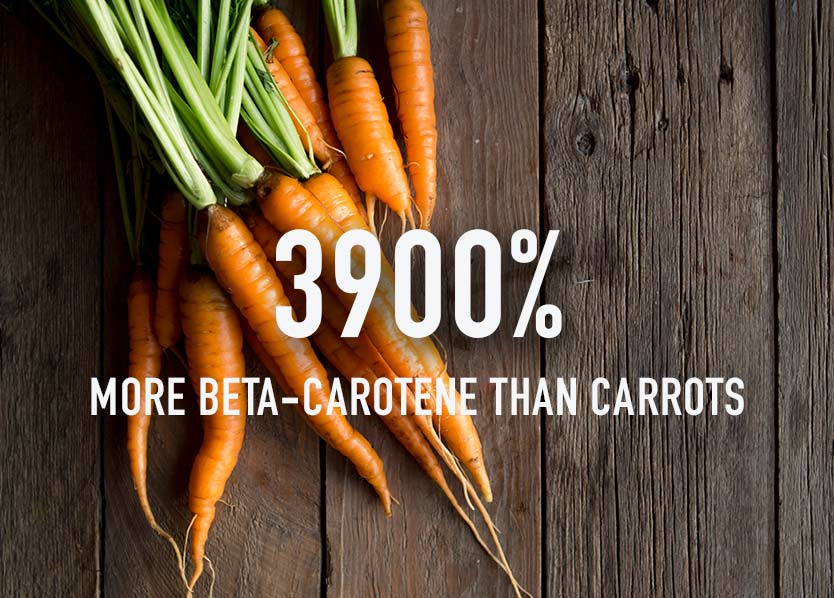
Compared to foods like carrots and berries, spirulina delivers up to ten times more beta-carotene and a broader spectrum of antioxidant enzymes and phytonutrients.
Clinical and preclinical studies have shown that spirulina supplementation boosts the body's own antioxidant enzymes and reduces oxidative stress more effectively than many fruits and vegetables, making it a powerful ally for cellular protection and overall health
More potent than berries
Anti-inflammatories
More anti-inflammatories than a bowl full of leafy greens
Spirulina’s anti-inflammatory potency is considered exceptional among superfoods, largely due to its unique compound phycocyanin. Research indicates that phycocyanin is not only responsible for spirulina’s vibrant blue color but also acts as a powerful anti-inflammatory and antioxidant—up to 16 times more effective than vitamin C at neutralizing certain free radicals.
When compared to curcumin (the active compound in turmeric), both have strong anti-inflammatory effects, but spirulina’s phycocyanin works through multiple pathways: it blocks key inflammatory enzymes like COX-2, inhibits the NF-κB pathway, and reduces pro-inflammatory cytokines such as TNF-α, IL-1β, and IL-6. While curcumin is highly effective, its bioavailability is limited unless combined with black pepper or special formulations, whereas spirulina’s phycocyanin is naturally well-absorbed.
Compared to berries and other plant-based superfoods, spirulina offers a broader and more potent anti-inflammatory effect, targeting both oxidative stress and inflammatory pathways at the cellular level. This makes spirulina one of the most potent natural options for managing inflammation, standing out even among the most celebrated superfoods.
In summary
Spirulina’s nutritional richness—complete proteins, a spectrum of vitamins and minerals, rare fatty acids, and unique antioxidants like phycocyanin and SOD—makes it a truly comprehensive superfood. These nutrients support energy, immunity, detoxification, cardiovascular health, and cellular protection, making spirulina a smart addition to any diet focused on optimal wellness.
Everything you need to start growing your own fresh spirulina
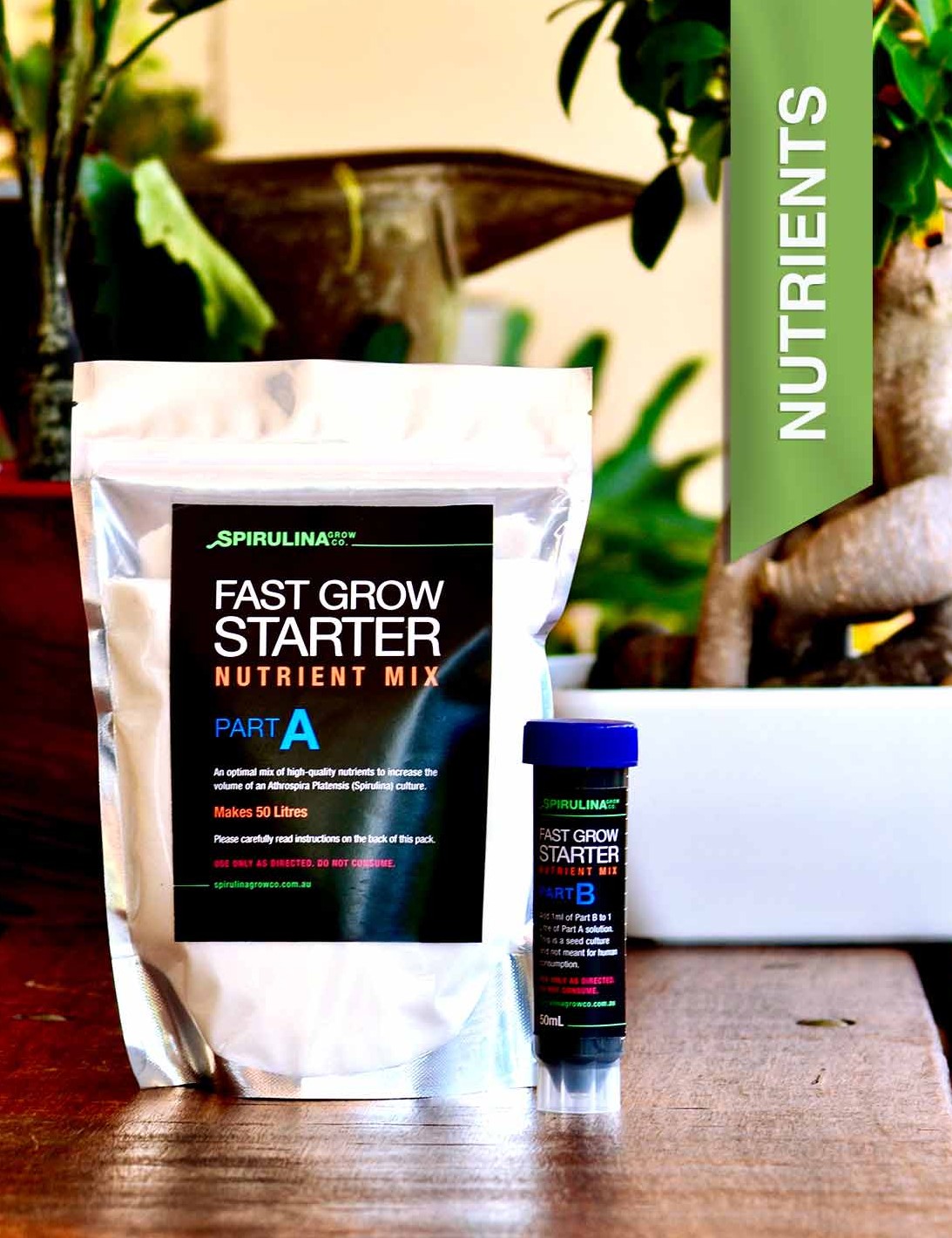
Fast Grow Starter Nutrient Pack For Cultivating your Spirulina
The starter nutrient pack is specially formulated for the rapid and healthy growth of your Spirulina culture. These nutrients are free from contaminants and heavy metals.
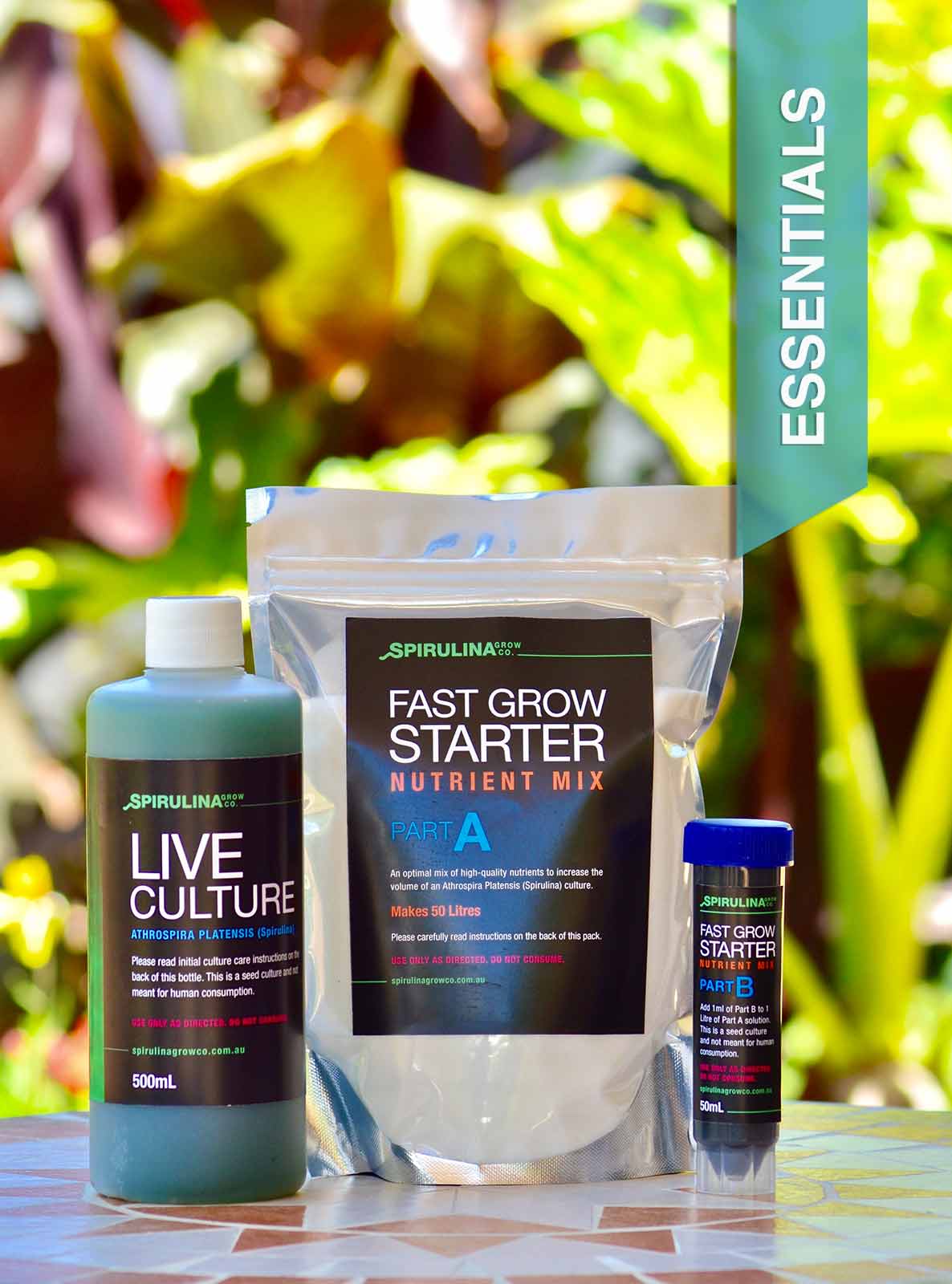
500 ml live Spirulina culture and Fast Grow starter nutrient pack
The 500 ml live culture and starter nutrient pack along with the comprehensive instruction manual contain the essential components needed to get your spirulina micro-farm established.
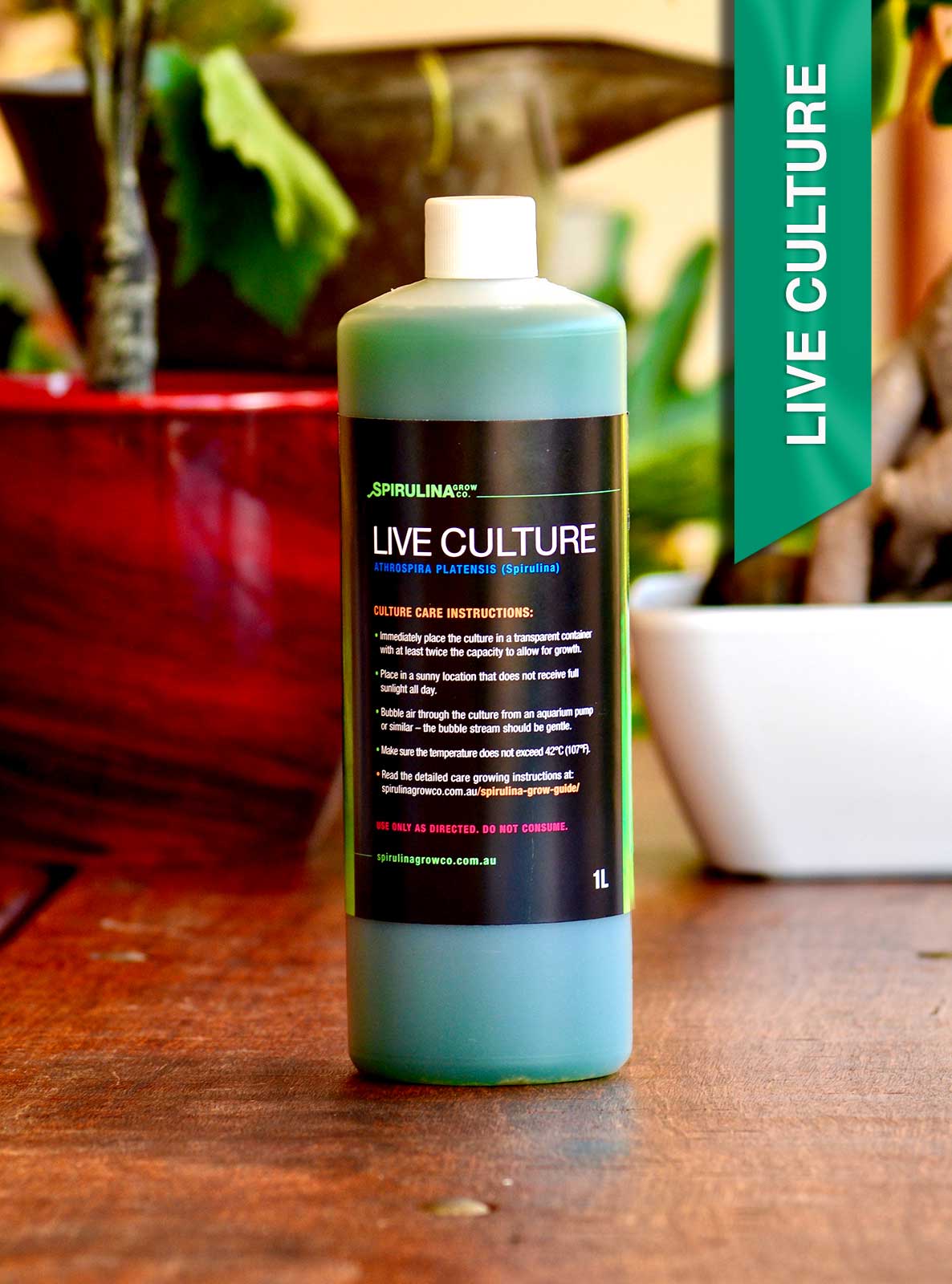
1000 ml of live seed culture - checked for purity
If you feel comfortable formulating and sourcing your own starter nutrient mix then the 1-liter live starter culture is all you need from us to get your Spirulina micro-farm established.
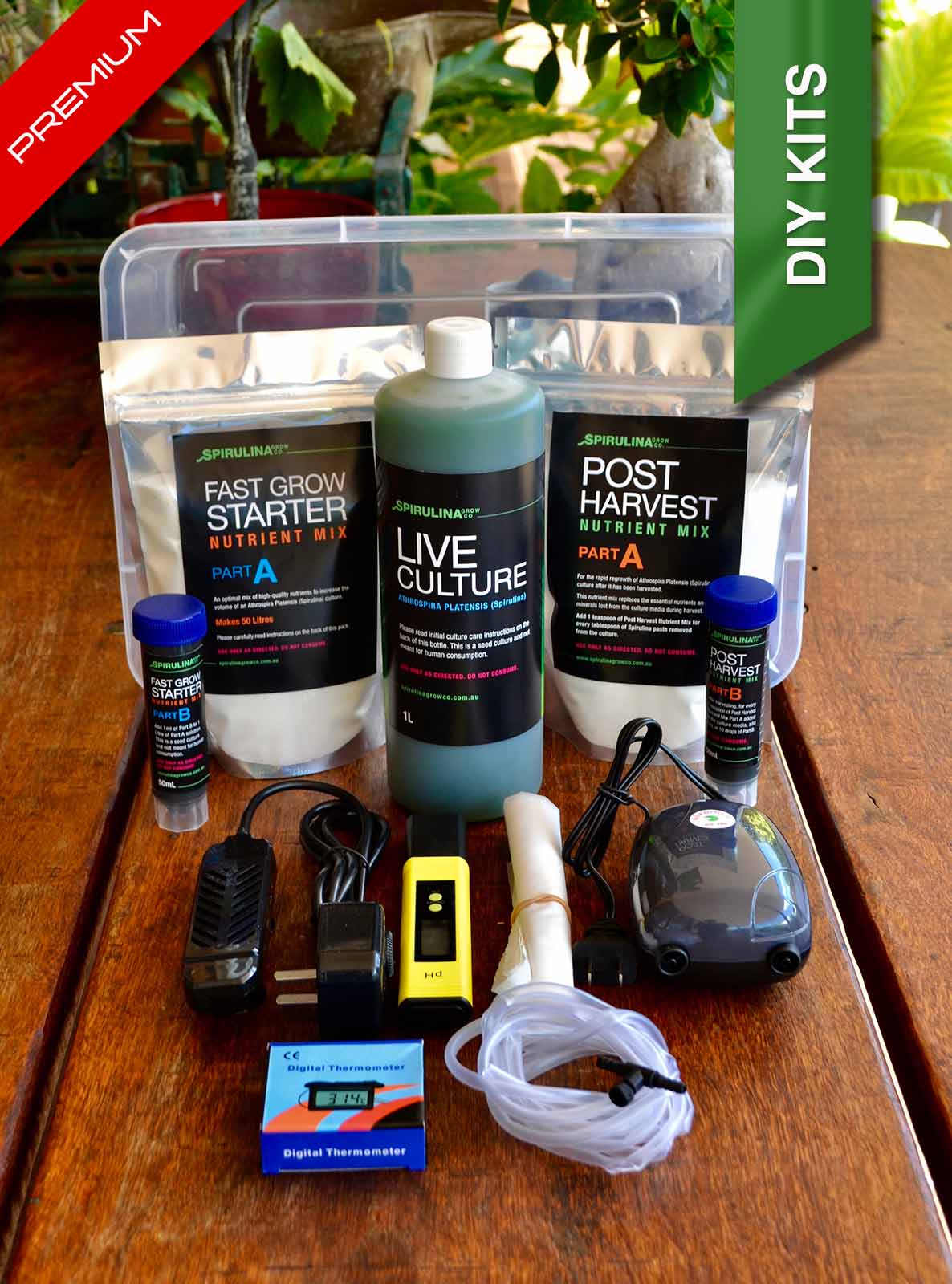
Premium Spirulina Farming Kit – Everything you need to start!
This Premium Spirulina kit that contains all the essential information, equipment, nutrients and culture needed to start, monitor, maintain and harvest your own Spirulina at home
Copyright 2026 , all rights reserved.