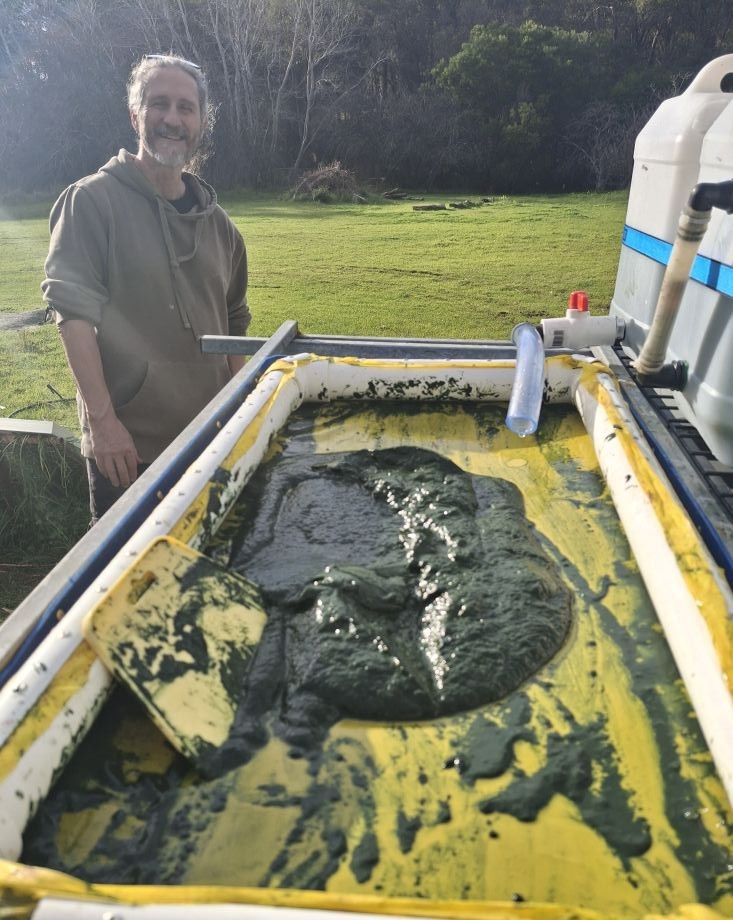
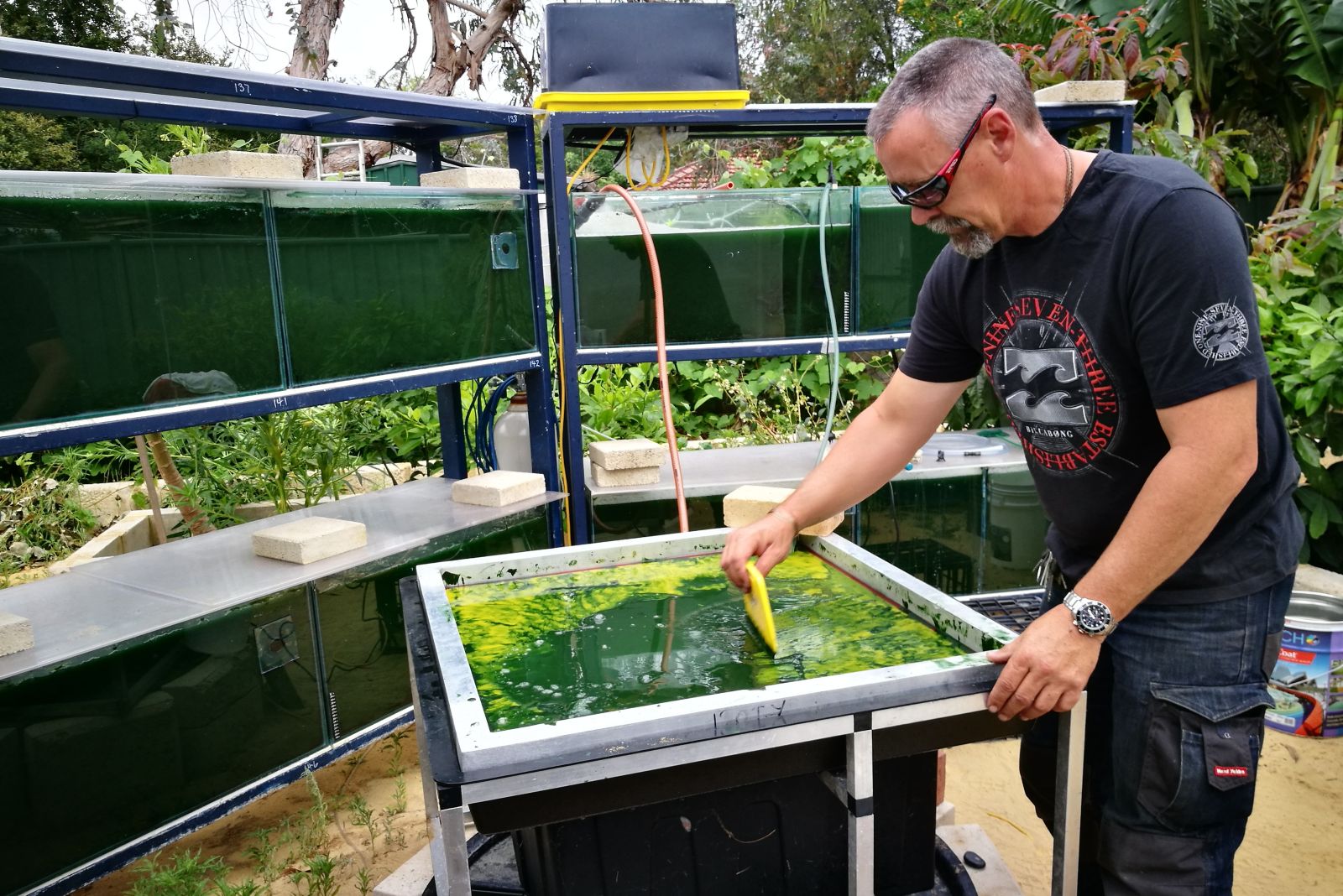
Growing spirulina at home is one of the most practical decisions you can make for your health and the planet. Unlike most superfoods that come from distant supply chains, degraded by processing and storage, home-grown spirulina is fresh, alive, and under your control.
This guide covers the real reasons to grow your own spirulina — from measurable health outcomes to ecological impact — without the marketing hype.
What Makes Spirulina a True Superfood?
Spirulina is a blue-green cyanobacteria — one of the oldest forms of life on Earth, appearing roughly 3.6 billion years ago. It grows in warm, alkaline waters and contains a nutritional profile that no terrestrial plant can match. Not only that, the nutrients it contains has Exceptional bioavailability — the absence of cellulose cell walls means nutrients are rapidly assimilated without the digestive burden of most plant foods
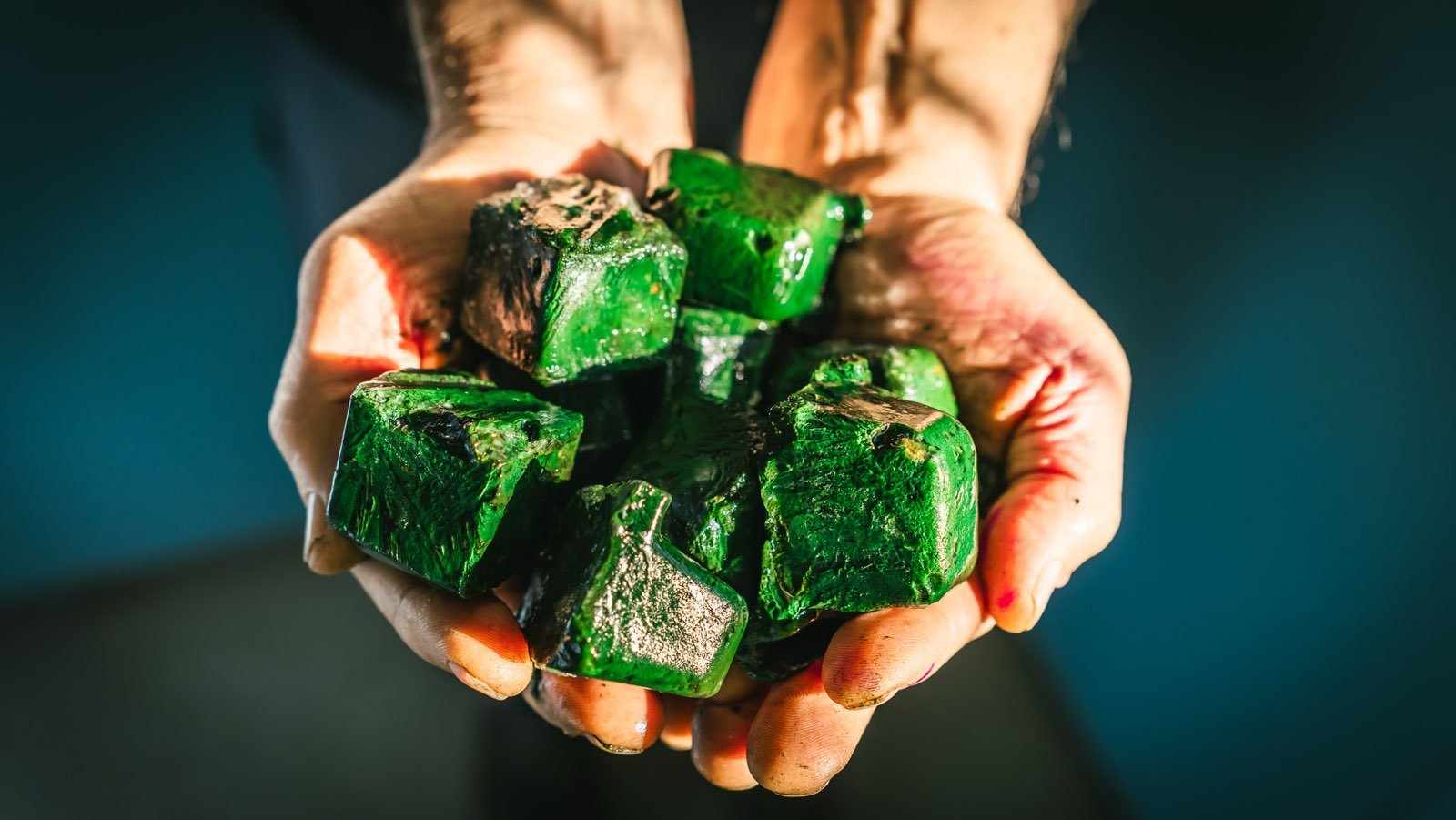
A nutritional powerhouse
Leading scientific organizations like NASA, WHO and the USDA describe spirulina as one of the most nutrient dense and complete foods on the planet.
Here are are just some of the nutrients you get from fresh homegrown spirulina:
- 70% complete protein by dry weight, containing all essential amino acids — a rare plant-source protein with the full essential amino acid profile
- Vitamin B12 in a form the human body can actually utilize — unlike plant sources that provide analogs, making it one of the few reliable non-animal sources
- The full B-vitamin complex — thiamine (B1), riboflavin (B2), niacin (B3), pyridoxine (B6), and folate — essential for energy metabolism, red blood cell formation, and nervous system function
- Gamma-Linolenic Acid (GLA) — an essential omega-6 fatty acid with documented anti-inflammatory properties, rare in non-animal sources
- Phycocyanin — the blue pigment with powerful antioxidant, anti-inflammatory, and neuroprotective effects; upregulates the body's own antioxidant enzymes
- Iron — highly bioavailable, critical for oxygen transport, immune function, and cognitive performance
- A broad spectrum of bioavailable minerals — magnesium, potassium, calcium, phosphorus, zinc, selenium, copper, manganese, and chromium — supporting enzymatic reactions, bone density, and metabolic regulation
- Vitamin A — in the form of beta-carotene, linked to vision, immune health, and mucous membrane integrity; present at concentrations up to ten times higher than carrots
- Zeaxanthin, lutein, and the full carotenoid complex — including cryptoxanthin and echinenone, which protect eye health and function synergistically as antioxidants across different tissues
- Chlorophyll — the green detoxifying pigment that supports oxygenation, internal cleansing, and metabolic regulation
- Superoxide dismutase (SOD) — a potent antioxidant enzyme that neutralizes free radicals at the cellular level
- Sulfated polysaccharides (including calcium spirulan) — compounds with documented antiviral, immune-modulating, and anti-inflammatory properties
Fresh vs Powder: The Nutritional Reality
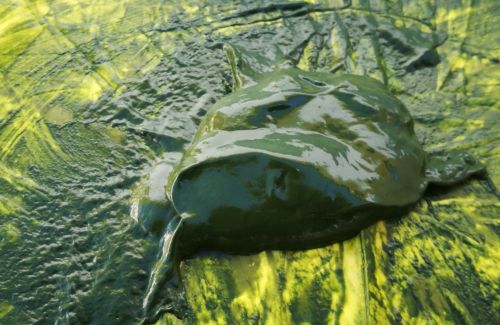
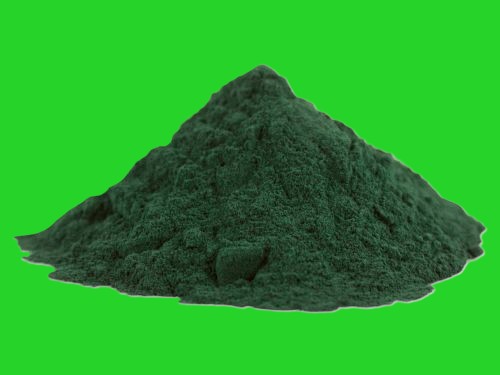
Most people know spirulina as a dried powder in plastic tubs. What fewer understand is how much is lost between harvest and consumption.
Degradation Timeline
When spirulina is harvested and dried, the clock starts:
Phycocyanin — the primary antioxidant compound — degrades significantly within months of drying
Vitamin C and other heat-sensitive nutrients diminish during the drying process
Enzyme activity stops entirely — fresh spirulina contains live enzymes that support digestion
Taste and texture shift from mild and creamy to dry, fishy, and chalky
Fresh spirulina harvested from your own culture:
Contains intact phycocyanin at full concentration
Retains active enzymes still functioning
Features complete protein structure not denatured by heat processing
Has a mild, neutral taste that blends easily into smoothies without the characteristic “pond” flavor of powder
The practical difference: People who switch from powder to fresh spirulina consistently report better digestion, steadier energy, and — critically — they actually want to consume it daily instead of forcing it down.
Health Benefits Backed by Research
Cardiovascular Health
Spirulina’s documented effects on cardiovascular markers are significant:
LDL cholesterol reduction — studies show measurable decreases in “bad” cholesterol with consistent consumption
Blood pressure regulation — particularly systolic pressure in individuals with elevated baseline readings
Improved lipid profiles — supported by clinical data showing reduced triglycerides
The mechanism appears to involve the unique combination of phycocyanin, GLA, and antioxidant compounds that reduce oxidative stress in vascular tissues.
Anti-Inflammatory Effects
Chronic inflammation underlies most modern diseases. Spirulina’s anti-inflammatory properties come from:
Phycocyanin — inhibits the COX-2 pathway, similar to non-steroidal anti-inflammatory drugs but without the side effects
GLA — modulates prostaglandin production
Antioxidant compounds — reduce the cellular damage that triggers inflammatory cascades
For people with inflammatory conditions, regular fresh spirulina consumption provides measurable symptom relief without pharmaceutical intervention.
Diabetes and Blood Sugar Regulation
Research indicates spirulina supports:
Improved insulin sensitivity — cells respond more effectively to insulin signals
Better blood glucose control — reduced fasting glucose and improved HbA1c markers
Protection against diabetic complications — antioxidant effects protect kidney and nerve tissues from glucose-induced damage
The fiber and protein content also slows glucose absorption, preventing the spikes and crashes that characterize poor blood sugar management.
Immune System Enhancement
Spirulina contains compounds that directly stimulate immune function:
Polysaccharides that enhance natural killer cell activity
Phycocyanin that stimulates antibody production
Complete protein providing building blocks for immune cell generation
Regular consumers report fewer seasonal illnesses and faster recovery when infections do occur.
Detoxification Support
Spirulina’s cell wall structure has a demonstrated ability to bind heavy metals and toxins:
Lead, mercury, and cadmium — the cell wall’s mucopolysaccharides chelate and remove these metals from the body
Radiation protection — historically used in Chernobyl to reduce radiation toxicity in children
General detoxification — supports liver function and enhances the body’s natural elimination pathways
This isn’t “detox” marketing. It’s documented chelation chemistry that has been studied in clinical settings.
Additional Documented Effects
Allergy relief — reduces histamine response in allergic rhinitis
Anemia correction — the highly bioavailable iron content, combined with B12 and folate, supports red blood cell formation
Eye health — rich in vitamin A and antioxidant compounds that protect retinal tissues
Antiviral properties — some compounds demonstrate activity against influenza, herpes, and HIV in laboratory settings
Wound healing — both internal and external application accelerates tissue repair
Digestive health — the enzymes and fiber content support gut microbiome balance
Brain function — phycocyanin crosses the blood-brain barrier and shows neuroprotective effects
Ecological Advantages of Home Cultivation
Water Efficiency: 200x Better Than Beef
Spirulina requires one-fifth the water needed to produce an equivalent amount of beef protein. In a world where water scarcity affects billions, this matters.
But the comparison extends further:
Compared to soy: Spirulina uses less water and no soil degradation
Compared to rice: Produces more protein per liter of water consumed
Compared to almonds: Doesn’t require the massive water inputs of tree nut cultivation
Energy Efficiency: 20x Better Than Beef
The energy input required to produce spirulina protein is approximately one-twentieth that of beef production. This includes:
No feed crop cultivation (spirulina feeds on sunlight and simple minerals)
No animal husbandry infrastructure
No refrigeration during production
Minimal transportation (you harvest from your own culture)
Land Use: 20x More Efficient
Per unit of protein, spirulina requires one-twentieth the land area of beef. For urban dwellers with limited space, this means meaningful protein production is possible in a corner of a room or a small balcony setup.
The Commercial Powder Problem
Every kilogram of commercially produced spirulina powder carries an environmental cost that home cultivation eliminates:
Carbon emissions — from farming, drying, packaging, and global shipping
Plastic packaging — most powder comes in non-recyclable containers
Additives — anti-caking agents, preservatives, and flavorings add chemical load
Resource extraction — commercial cultivation at scale requires significant infrastructure
When you grow at home, the footprint is a small culture vessel, some nutrients, and your attention. That’s it.
Carbon Sequestration Bonus
Like all photosynthetic organisms, spirulina actively absorbs carbon dioxide during growth. A home culture doesn’t just avoid emissions — it modestly reverses them. Over the lifespan of a maintained culture, the cumulative CO2 capture is meaningful.
The Economics: Why Growing Saves Money

Commercial spirulina products carry massive markups:
Production cost: Approximately $2 per kilogram
Retail price: $50–$60 per kilogram (25–30x markup)
Premium brands: Up to $100 per kilogram
A home culture producing 10–20 grams of fresh paste daily yields the nutritional equivalent of significantly more powder (because fresh isn’t denatured). The economics shift dramatically:
Startup cost: Culture vessel, nutrients, starter culture — under $300
Ongoing cost: Nutrients and water — $5 - $10/Kg
Payback period: 2–3 months for regular consumers
Long-term savings: 80–90% reduction in spirulina expenditure
For households already spending $30–$50 monthly on commercial spirulina and or supplements that fresh spirulina could replace , home cultivation pays for itself within a quarter.
How Much Can You Actually Grow?
The Numbers
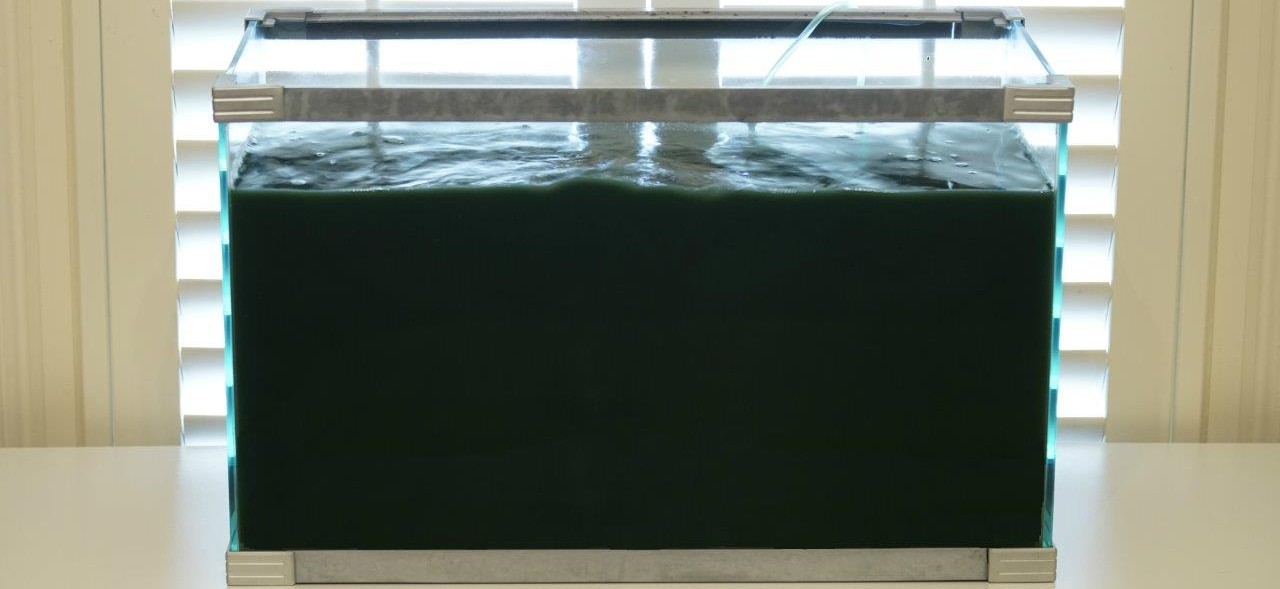
An 100-120 L aquarium, which is a good sized bioreactor — produces approximately 600 - 800 grams of fresh spirulina per week if it gets plenty of sun and is looked after. This provides:
- A daily tablespoon for a family of four
- A generous daily dose for two people with surplus to share or freeze
- A small harvest to sell or give to friends
Basically the culture looks after itself, there is not a lot you have to do except, monitor, harvest feed and top up with water to compensate for evaporation.
Timeline
If you begin with a 500 ml starter culture and build up to 100 L you can expect your first harvest in 4 - 5 weeks. Once you are up to your working volume you can continuously harvest every 2 - 3 days (30 - 40 L at a time).